Textile Trends for 2026: Top 3 Fabrics & Patterns for Home Decor
Advertisements
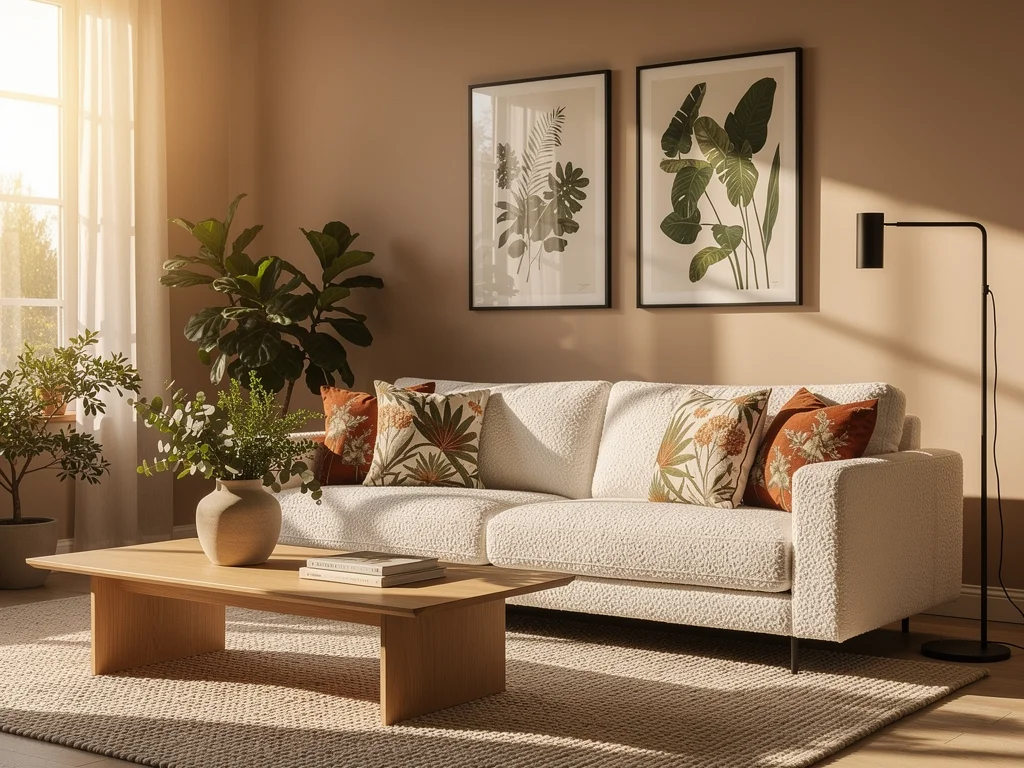
The 2026 textile trends for home decor are set to embrace sustainable luxury with textured bouclé, natural linens, and vibrant botanical patterns, offering homeowners fresh ways to revitalize their living spaces.
As we approach 2026, the world of interior design is buzzing with anticipation for upcoming textile innovations and aesthetic shifts. If you’re looking to refresh your living space, understanding the emerging textile trends 2026 is crucial for creating a home that feels both current and timeless. This guide will delve into the top three fabrics and patterns poised to dominate home decor, offering practical insights on how to effortlessly integrate them into your environment.
The rise of textured bouclé: comfort meets sophistication
Bouclé, with its distinctive looped yarn and inviting texture, has been steadily gaining traction, and by 2026, it will firmly establish itself as a cornerstone of sophisticated home decor. This fabric offers an unparalleled blend of visual interest and tactile comfort, making it ideal for creating cozy yet elegant spaces.
Initially popularized by mid-century modern designers, bouclé is experiencing a renaissance, adapted for contemporary living. Its versatility allows it to seamlessly integrate into various design aesthetics, from minimalist to maximalist, adding a layer of depth and luxury.
Why bouclé is a must-have
The appeal of bouclé lies in its unique characteristics that elevate any piece of furniture or accessory. Its robust yet soft nature makes it suitable for high-traffic areas, while its visual texture adds a sculptural quality to upholstered items.
- Unmatched comfort: The looped fibers create a plush, inviting surface perfect for lounging.
- Visual depth: Its uneven texture adds a dynamic element, preventing flat or dull appearances.
- Durability: Often made from wool or a blend, bouclé is surprisingly resilient and long-lasting.
- Versatile aesthetic: It can appear both modern and classic, depending on the piece and color.
Integrating bouclé into your home can transform a room, adding a focal point that is both functional and aesthetically pleasing. Consider a bouclé armchair or ottoman as a statement piece to instantly update your decor.
The subtle irregularities in bouclé fabric also help to mask minor imperfections, making it a practical choice for busy households. Its inherent warmth also contributes to a more inviting atmosphere, particularly in cooler climates or during colder months. Designers are increasingly using bouclé in neutral tones like cream, off-white, and charcoal, which enhance its textural qualities and allow it to blend effortlessly with existing color schemes.
In conclusion, bouclé’s enduring charm and practical benefits make it a dominant force in 2026 textile trends. Its ability to combine comfort with a high-end aesthetic ensures its place as a favorite among homeowners and designers alike.
Sustainable luxury: the enduring appeal of natural linens
As environmental consciousness continues to shape consumer choices, natural linens are emerging as a top textile trend for 2026. Valued for their sustainability, breathability, and understated elegance, linens offer a refined yet relaxed aesthetic that aligns perfectly with modern living. This fabric is not just a trend; it’s a lifestyle choice reflecting a desire for natural materials and mindful consumption.
Linen’s journey from flax plant to finished fabric is remarkably eco-friendly, requiring less water and fewer pesticides than many other crops. This makes it an attractive option for those seeking to minimize their environmental footprint without compromising on style or quality.
Benefits of incorporating linen
Beyond its ecological advantages, linen boasts a range of practical and aesthetic benefits that make it ideal for home decor. Its natural texture and relaxed drape add an element of casual sophistication to any room.
- Breathability: Linen’s open weave allows for excellent airflow, keeping spaces cool and comfortable.
- Durability: Known for its strength, linen becomes softer and more lustrous with each wash.
- Hypoallergenic properties: It’s naturally resistant to allergens, making it great for sensitive individuals.
- Timeless aesthetic: Its slightly wrinkled appearance adds character and an organic feel.
From bedding to curtains and upholstery, linen can be used in various applications to create a cohesive and tranquil environment. Its natural hues, ranging from earthy beiges to soft grays, provide a versatile palette that complements a wide array of interior styles.
The subtle sheen of linen also adds a touch of understated luxury, catching the light in a way that synthetic fabrics often cannot. Its ability to regulate temperature makes it an excellent choice for year-round use, providing warmth in winter and coolness in summer. This adaptability further cements its status as a sustainable and practical textile for the modern home.
Ultimately, natural linens represent a commitment to both environmental responsibility and refined aesthetics, making them a significant part of the 2026 textile landscape. Their versatility and timeless appeal ensure they will remain a beloved choice for years to come.
Botanical patterns: bringing nature indoors
In 2026, botanical patterns are set to revitalize home decor, offering a refreshing connection to the natural world. These patterns, ranging from intricate floral designs to lush leafy motifs, provide a sense of tranquility and vibrancy, transforming interiors into serene sanctuaries. The trend reflects a growing desire to blur the lines between indoor and outdoor living, promoting well-being and a calm atmosphere.
Unlike traditional floral prints, modern botanical patterns often feature more abstract or stylized interpretations, focusing on organic shapes and a harmonious color palette. This evolution allows them to integrate seamlessly into diverse decor styles, from contemporary to bohemian.
How to embrace botanical patterns
Incorporating botanical patterns doesn’t necessarily mean overwhelming a space with flora. Strategic placement and thoughtful combinations can achieve a balanced and sophisticated look. Consider using them on accent pieces or in areas where a pop of natural beauty is desired.
- Accent pillows: A simple way to introduce the trend without a major commitment.
- Statement wallpaper: Create a feature wall with a bold botanical print.
- Curtains and drapes: Soften a room and add a touch of nature with botanical window treatments.
- Upholstery: A botanical patterned armchair or ottoman can serve as a stunning focal point.
The beauty of botanical patterns lies in their ability to evoke a sense of calm and rejuvenation. Greens, blues, and earthy tones dominate these designs, mirroring the colors found in nature. This color scheme not only feels soothing but also pairs well with the natural fabrics like linen and bouclé, creating a cohesive and harmonious interior.
Furthermore, botanical patterns can be used to tell a story or create a specific mood within a room. A vibrant tropical leaf print might evoke a sense of adventure and energy, while delicate wildflowers could suggest a more gentle and romantic ambiance. The key is to choose patterns that resonate with your personal style and the overall feeling you wish to cultivate in your home.
In conclusion, botanical patterns offer a beautiful and versatile way to infuse your home with the calming and revitalizing energy of nature, making them a key element of 2026 textile trends.
Integrating trends: mixing and matching for a cohesive look
The art of integrating new textile trends into your existing home decor lies in thoughtful curation and strategic pairing. Rather than a complete overhaul, focus on incorporating key pieces that resonate with the 2026 aesthetic. The goal is to create a harmonious environment where new elements complement your current style, adding depth and contemporary flair.
Consider the interplay between different textures and patterns. For instance, the tactile richness of bouclé can be beautifully contrasted with the smooth, understated elegance of linen. Similarly, a vibrant botanical pattern can serve as a lively accent against a backdrop of neutral, textured fabrics.
Tips for successful trend integration
Achieving a cohesive look involves more than just selecting trendy items; it requires an understanding of how colors, textures, and patterns interact. Start small and build up, ensuring each new addition enhances the overall aesthetic.
- Start with neutrals: Use bouclé and linen in neutral tones as a foundation for larger pieces.
- Layer textures: Combine a bouclé throw with linen cushions for tactile contrast.
- Introduce patterns strategically: Use botanical prints on smaller items like pillows or artwork, or on a single statement piece.
- Maintain a consistent color palette: Even with new trends, stick to a primary color scheme to ensure harmony.
Thinking about scale and proportion is also vital. A large botanical print might be overwhelming on an entire sofa but perfect on a set of dining chairs or a captivating wall hanging. Similarly, a bouclé accent chair might be just what a minimalist living room needs to add warmth without clutter.
Remember that balance is key. If you opt for a bold botanical wallpaper, consider pairing it with simpler, solid-colored bouclé or linen furniture to avoid a cluttered look. Conversely, if your furniture is predominantly neutral, botanical patterns can provide that much-needed splash of color and life.
By thoughtfully mixing and matching these 2026 textile trends, you can create a home that feels fresh, stylish, and uniquely yours, reflecting both current design sensibilities and your personal taste.
Beyond the fabric: patterns and prints of 2026
While fabrics like bouclé and linen set the textural stage for 2026, the patterns and prints are what truly infuse personality and narrative into a space. Beyond the aforementioned botanical motifs, the coming year will see a diverse array of patterns that draw inspiration from various sources, each offering a distinct mood and aesthetic.
These patterns are not merely decorative; they are integral to creating an atmosphere. They can evoke feelings, tell stories, and even influence the perceived size and shape of a room. Understanding these emerging pattern trends is key to crafting a truly contemporary and engaging interior.
Key pattern directions for 2026
The patterns of 2026 are characterized by a blend of organic inspiration, geometric precision, and an appreciation for artisanal craftsmanship. This diversity ensures there’s a pattern to suit every taste and design vision.
- Abstract geometrics: Softened edges and organic forms give a fresh twist to traditional geometric patterns.
- Artisan-inspired motifs: Hand-drawn aesthetics, block prints, and global patterns celebrating cultural heritage.
- Subtle textures in print: Patterns that mimic natural textures, adding depth even on flat surfaces.
- Large-scale repeats: Bold patterns that make a statement without overwhelming the space, often with a single dominant motif.
The trend towards abstract geometrics reflects a desire for order and calm, but with a human touch. These patterns often feature muted colors and irregular lines, providing visual interest without being overly rigid. They work particularly well in modern and minimalist settings, adding a layer of sophistication.
Artisan-inspired motifs, on the other hand, speak to a growing appreciation for authenticity and craftsmanship. These patterns often showcase imperfections and unique details, reflecting a move away from mass-produced uniformity. They can bring warmth and a sense of history to a room, especially when paired with natural materials.
Furthermore, large-scale botanical patterns are gaining prominence, moving beyond small, repetitive prints to grander, more impactful designs. Imagine a single dramatic fern leaf or a sprawling floral vine as the focal point on a curtain or a wall panel. This approach allows the pattern to be appreciated as a piece of art, rather than just background noise.
In essence, the patterns of 2026 are about making a statement, whether subtle or bold, and connecting a space to broader themes of nature, art, and cultural heritage. They are crucial for defining the character and ambiance of any room.
Making conscious choices: sustainability in textile decor
The conversation around textile trends for 2026 would be incomplete without emphasizing the critical role of sustainability. As consumers become more aware of their environmental impact, the demand for eco-friendly and ethically produced textiles is surging. This trend is not just about aesthetics; it’s about making conscious choices that benefit both the planet and personal well-being.
Sustainable textiles encompass a broad range of considerations, from the raw materials used to the manufacturing processes and the longevity of the final product. Choosing sustainable options means investing in pieces that are designed to last, reducing waste, and supporting responsible production practices.
Key considerations for sustainable textiles
When selecting textiles for your home, looking beyond the initial appearance to understand the product’s lifecycle is increasingly important. This holistic approach ensures your decor choices align with a more sustainable future.
- Organic materials: Opt for fabrics made from organic cotton, linen, hemp, or wool, grown without harmful pesticides.
- Recycled content: Look for textiles incorporating recycled fibers, reducing landfill waste and conserving resources.
- Low-impact dyes: Choose fabrics colored with natural or low-impact dyes that minimize water pollution.
- Fair trade certification: Support brands committed to ethical labor practices and fair wages for workers.
Beyond the materials themselves, consider the durability and versatility of the textiles you choose. Investing in high-quality items that can withstand the test of time and adapt to evolving styles reduces the need for frequent replacements, thus lowering overall consumption. Fabrics like linen, with their inherent strength and ability to soften beautifully over time, are excellent examples of sustainable choices.
Another aspect of sustainable decor involves supporting local artisans and small businesses. This not only reduces the carbon footprint associated with long-distance shipping but also helps preserve traditional crafting techniques and unique textile designs. Hand-woven rugs, naturally dyed throws, and bespoke upholstered pieces offer a unique character that mass-produced items often lack.
Ultimately, embracing sustainability in textile decor for 2026 is about making informed decisions that reflect a commitment to environmental stewardship and social responsibility. It’s about creating a beautiful home that also contributes positively to the world.
Personalizing your space with 2026 textile trends
While staying informed about textile trends 2026 is valuable, the ultimate goal is to personalize your space in a way that reflects your unique style and enhances your daily life. Trends serve as a guide, offering inspiration and direction, but the true artistry lies in adapting them to fit your individual preferences and the specific character of your home.
Think of bouclé, natural linens, and botanical patterns not as strict rules, but as versatile tools in your design toolkit. How you combine and interpret them will define the atmosphere and narrative of your living environment. The most successful interiors are those that feel authentic and lived-in, rather than simply showroom displays.
Strategies for personalizing with trends
Creating a personalized space involves a blend of intuition, experimentation, and a clear understanding of what makes you feel comfortable and inspired in your home. Don’t be afraid to mix and match, or to introduce unexpected elements.
- Reflect your personality: Choose colors and patterns that genuinely appeal to you, not just what’s popular.
- Balance old and new: Integrate trendy items with cherished heirlooms or vintage finds for a layered, eclectic look.
- Consider functionality: Ensure your textile choices not only look good but also serve a practical purpose in your daily life.
- Experiment with scale: Play with different sizes of patterns and textures to create visual interest and depth.
For example, if you love the idea of bouclé but prefer a bolder look than typical neutrals, consider a bouclé fabric in a deep jewel tone or a rich earthy hue. Similarly, if botanical patterns appeal to you, but you’re not keen on vibrant colors, seek out designs with a monochromatic palette or subtle, abstract interpretations of nature.
Moreover, consider the cultural context of patterns. If you have a connection to a particular heritage, seek out artisanal patterns that reflect that. This not only adds a personal touch but also makes your home feel more meaningful and authentic. The goal is to create a space that tells your story, rather than simply following a fleeting trend.
By thoughtfully applying these 2026 textile trends, you can craft a home that is not only stylish and current but also deeply personal, comfortable, and a true reflection of who you are. This mindful approach to decor ensures your living space remains a source of joy and inspiration for years to come.
| Key Trend | Brief Description |
|---|---|
| Textured Bouclé | Luxurious looped fabric offering comfort, visual depth, and durability for sophisticated spaces. |
| Natural Linens | Eco-friendly, breathable, and durable fabric for a relaxed yet elegant aesthetic. |
| Botanical Patterns | Vibrant nature-inspired prints bringing tranquility and a connection to the outdoors. |
| Sustainability Focus | Emphasis on organic, recycled, and ethically produced textiles for conscious choices. |
Frequently asked questions about 2026 textile trends
The main textile trends for 2026 revolve around textured bouclé for comfort and sophistication, natural linens for sustainable luxury, and botanical patterns to bring nature indoors. These trends emphasize tactile experiences, eco-consciousness, and harmonious aesthetics in home design.
You can easily integrate bouclé by starting with accent pieces like throw pillows, blankets, or an ottoman. For a bolder statement, consider a bouclé armchair or a small sofa. Opt for neutral tones like cream or gray for versatility, allowing it to blend with various existing color schemes.
Natural linens are trending due to their sustainability, breathability, and elegant, relaxed aesthetic. They are eco-friendly, durable, hypoallergenic, and offer a timeless look that aligns with a growing desire for natural materials and mindful consumption in home decor.
In 2026, botanical patterns will lean towards more abstract or stylized interpretations, focusing on organic shapes and harmonious color palettes. Large-scale repeats, lush leafy motifs, and intricate floral designs that evoke tranquility and a connection to nature will be particularly popular.
Sustainability is becoming increasingly important, driving textile choices in 2026. Consumers are prioritizing organic materials, recycled content, low-impact dyes, and fair trade certifications. This focus reflects a conscious effort to minimize environmental impact and support ethical production practices in home decor.
Conclusion
The textile trends 2026 for home decor are ushering in an era where comfort, sustainability, and artistic expression converge. By embracing the tactile luxury of bouclé, the understated elegance of natural linens, and the vibrant tranquility of botanical patterns, homeowners can effortlessly update their spaces. These trends not only offer aesthetic appeal but also reflect a deeper connection to well-being and responsible consumption. Integrating these elements thoughtfully will ensure your home remains a stylish, comfortable, and truly personalized sanctuary for years to come, reflecting both current design sensibilities and a timeless appreciation for quality and nature.