Accent Walls: 6 Bold Decor Ideas for Room Revitalization
Advertisements
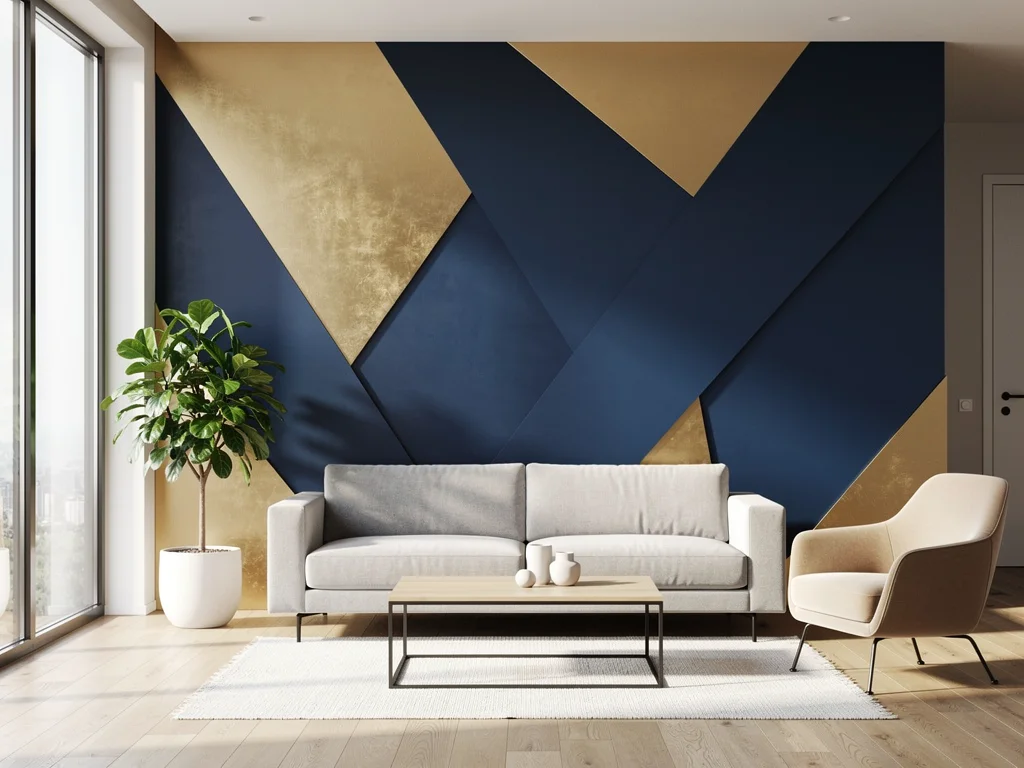
Accent walls are powerful design elements that can instantly revitalize any room, offering a cost-effective and impactful way to introduce personality and visual interest to your home decor in a single weekend.
Are you looking to inject new life and personality into your living spaces without embarking on a full-scale renovation? Then look no further than the power of accent walls: 6 bold decor ideas to revitalize any room in just one weekend. An accent wall is more than just a painted surface; it’s a strategic design choice that can redefine a room’s aesthetic, draw attention to architectural features, or simply add a much-needed pop of color or texture. This approach offers a surprisingly simple yet profoundly effective way to transform your home, proving that big changes don’t always require big budgets or extensive time. Let’s explore how you can harness this design secret to create stunning, personalized interiors.
Understanding the Impact of an Accent Wall
An accent wall is a carefully chosen wall within a room that differs in design from the others. This distinction can come from its color, material, texture, or pattern. The primary goal is to create a focal point, drawing the eye and adding depth and character to an otherwise uniform space.
Choosing the right wall is crucial. Consider the wall that naturally draws attention or one you wish to highlight. This could be the wall behind your bed, the one housing your fireplace, or the longest uninterrupted wall in a living area. The impact of an accent wall extends beyond mere aesthetics; it can influence the perceived size and shape of a room, making a small room feel larger or a large room feel cozier.
Color Psychology in Accent Walls
The color you choose for your accent wall plays a significant role in setting the mood of the room. Warm colors like reds and oranges can create an energetic and inviting atmosphere, while cool colors such as blues and greens tend to evoke a sense of calm and tranquility. It’s not just about what looks good, but how it makes you feel.
- Red: Stimulates energy and passion, ideal for dining rooms or creative spaces.
- Blue: Promotes serenity and stability, perfect for bedrooms or bathrooms.
- Green: Connects with nature, offering balance and harmony for any room.
- Yellow: Radiates happiness and optimism, great for kitchens or playrooms.
Beyond solid colors, patterns and textures add another layer of design complexity. Wallpaper, wood panels, or even exposed brick can introduce tactile interest, making the wall a sensory experience. The strategic use of an accent wall can dramatically alter the perception and feeling of a space, making it a powerful tool in any homeowner’s design arsenal.
In essence, an accent wall is a design hero, capable of transforming a mundane room into a vibrant, personalized statement. By carefully selecting the wall, color, and material, you can achieve a sophisticated and impactful design overhaul in a short amount of time, proving that effective home decor doesn’t always require extensive effort or expense.
1. Bold Paint Colors: Making a Statement
One of the most straightforward and impactful ways to create an accent wall is through the strategic use of bold paint colors. This method offers immediate gratification and allows for a dramatic transformation with minimal effort. Choosing a vibrant hue for one wall can instantly energize a room, providing a striking contrast to more neutral tones on the surrounding walls.
When selecting a bold color, consider the existing palette of your room. The accent color should complement or intentionally contrast with your furniture and decor to create a cohesive yet exciting look. Don’t be afraid to experiment with colors you might typically shy away from for an entire room, as a single accent wall provides a perfect opportunity for a daring choice.
Choosing the Right Shade
The key to a successful bold paint accent wall lies in color selection. Think about the mood you want to evoke. A deep navy can bring sophistication to a bedroom, while a bright coral might add a playful touch to a living area. Paint swatches are your best friend here; observe them in various lighting conditions throughout the day to ensure the color translates well into your space.
- Deep Jewel Tones: Emerald green, sapphire blue, or amethyst purple add luxury and depth.
- Vibrant Primary Colors: A sunny yellow or a rich red can infuse energy and warmth.
- Dramatic Dark Hues: Charcoal gray or black can create a chic, modern, and grounded feel.
Beyond the color itself, consider the finish. Matte finishes tend to absorb light, creating a softer, more sophisticated look, while satin or semi-gloss finishes reflect light, making the color appear brighter and more intense. The choice of finish can significantly impact the overall effect of your bold accent wall, further customizing its appeal and presence in the room.
Ultimately, a bold paint color accent wall is a testament to the power of simplicity in design. It’s an accessible project that yields impressive results, demonstrating how a single splash of color can redefine a room’s character and elevate its style, all achievable within a weekend’s work.
2. Textured Wallpapers: Adding Depth and Pattern
Beyond the realm of solid paint, textured wallpapers offer an unparalleled way to introduce depth, pattern, and tactile interest to an accent wall. Modern wallpapers have come a long way from their predecessors, now boasting incredible durability, ease of application, and a vast array of designs that can mimic natural materials or showcase intricate patterns.
Textured wallpapers can transform a flat wall into a dynamic surface, inviting touch and visual exploration. From subtle grasscloths that add organic warmth to bold geometric prints that make a contemporary statement, the options are virtually limitless. This approach allows for a level of sophistication and detail that paint alone often cannot achieve, creating a truly unique focal point.
Exploring Wallpaper Styles
When diving into the world of textured wallpapers, consider the overall aesthetic of your room. A minimalist space might benefit from a wallpaper with a subtle, woven texture, while a more eclectic room could embrace a vibrant botanical or abstract pattern. The scale of the pattern is also important; large prints can make a statement in spacious rooms, while smaller, more intricate designs suit cozier nooks.
- Grasscloth and Jute: Offer natural textures, ideal for bohemian or coastal aesthetics.
- Geometric Patterns: Introduce modern flair and visual structure, perfect for contemporary interiors.
- Faux Finishes: Wallpapers mimicking brick, concrete, or wood panels provide industrial or rustic charm without the heavy installation.
The application process for many modern wallpapers, especially peel-and-stick varieties, has become incredibly user-friendly, making this a feasible weekend project. Ensure your wall is clean and smooth for the best adhesion and a flawless finish. The transformative power of a textured wallpaper accent wall lies in its ability to add layers of visual interest and a sophisticated touch that resonates with both sight and touch.
In conclusion, textured wallpapers provide an exciting avenue for accent wall design, offering a rich tapestry of patterns and materials. They are an excellent choice for those seeking to add significant character and a bespoke feel to their interiors, proving that a single wall can tell a compelling design story.
3. Wood Paneling: Rustic Charm or Modern Edge
Wood paneling as an accent wall brings a unique blend of warmth, texture, and character to any room, capable of evoking anything from rustic farmhouse charm to sleek modern minimalism. Unlike traditional drywall, wood introduces a natural element that instantly grounds a space and adds a sense of permanence and craftsmanship. The versatility of wood paneling lies in the variety of wood types, finishes, and installation patterns available.
From reclaimed barn wood that tells a story of history to crisp, painted shiplap that brightens a room, wood paneling can dramatically alter a room’s ambiance. It’s a tactile choice that appeals to the senses, offering visual warmth and a pleasant texture underfoot if used on floors, or a striking backdrop when applied to a wall.
Different Styles of Wood Paneling
The aesthetic you achieve with wood paneling heavily depends on the style you choose. Shiplap, with its clean lines and horizontal orientation, is a staple of modern farmhouse and coastal designs. Board and batten, characterized by vertical boards and raised strips, adds architectural interest and a classic, tailored look. For a more contemporary feel, consider sleek, vertically oriented planks or even geometric patterns created with thin wood strips.
- Shiplap: Creates a relaxed, rustic, or coastal vibe, often painted white for a fresh look.
- Board and Batten: Adds a sophisticated, traditional, or transitional style, excellent for formal living areas or entryways.
- Reclaimed Wood: Infuses warmth, character, and a sense of history, perfect for industrial or bohemian spaces.
- Geometric Wood Designs: Modern and artistic, these designs create dynamic focal points in contemporary homes.
Installation can range from simple nail-up planks to more intricate designs requiring precise cuts and measurements. However, with pre-cut kits and adhesive options, many wood paneling projects are well within the scope of a weekend DIY. The enduring appeal of wood paneling as an accent wall lies in its ability to add timeless beauty and a bespoke touch, making any room feel more inviting and thoughtfully designed.
In conclusion, wood paneling offers a rich textural dimension to accent walls, capable of transforming a room with its inherent beauty and versatility. Whether aiming for a cozy cabin feel or a sharp, contemporary edge, wood paneling provides a durable and aesthetically pleasing solution for a weekend home revitalization project.
4. Gallery Wall: Personal Expression and Visual Interest
A gallery wall as an accent feature is a dynamic and deeply personal way to infuse character and visual interest into a room. Instead of a single color or material, this approach uses a curated collection of art, photographs, mirrors, or decorative objects arranged thoughtfully on one wall. It transforms a blank canvas into a storytelling surface, reflecting your tastes, travels, and memories.
The beauty of a gallery wall lies in its flexibility and endless possibilities for customization. You can mix and match frames, incorporate various sizes and styles of artwork, and even include three-dimensional objects to create a truly unique display. This method not only acts as a powerful focal point but also serves as a conversation starter, inviting guests to explore your personal narrative.
Designing Your Gallery Wall
Creating a successful gallery wall involves more than just hanging items randomly. Planning is key. Start by laying out your chosen pieces on the floor to experiment with different arrangements before committing to the wall. Consider a central anchor piece around which smaller items can be arranged, or opt for a grid layout for a more structured and modern look.
- Mix and Match: Combine different frame styles, art mediums, and personal photos for an eclectic feel.
- Themed Collections: Group pieces around a common theme, color palette, or subject matter for cohesion.
- Use Templates: Cut out paper templates of your frames and tape them to the wall to visualize the layout before drilling.
Don’t be afraid to incorporate unexpected elements, such as small shelves with decorative objects, wall-mounted plants, or even vintage mirrors, to add depth and variety. The background color of the wall can also play a significant role; a neutral wall allows the artwork to pop, while a bold colored wall can provide a dramatic backdrop. A gallery wall is an ongoing project that can evolve as your tastes change and your collection grows, making it a truly living piece of decor.
Ultimately, a gallery wall accent is an intimate and engaging design choice that offers immense creative freedom. It’s an opportunity to showcase your personality and passions, turning a simple wall into a captivating display that adds significant warmth and character to your home in a single weekend.
5. Mirrored Walls: Expanding Space and Reflecting Light
Mirrored walls, while perhaps less common than painted or paneled accents, offer a highly effective and sophisticated way to transform a room. Their primary advantage lies in their ability to visually expand a space, making smaller rooms feel larger and more open. Beyond this, mirrors are excellent at reflecting light, brightening dim areas and enhancing the overall luminosity of a room.
An accent wall entirely or partially covered in mirrors can introduce a sense of glamour and modernity. It’s a bold design choice that adds architectural interest and a unique visual dynamic. Whether you opt for a single large mirror, a collection of framed mirrors, or custom-cut mirror tiles, the reflective quality will undoubtedly make a statement.
Strategic Placement and Design
The success of a mirrored accent wall hinges on strategic placement. Consider what the mirror will reflect. Ideally, it should reflect an attractive view, natural light, or another appealing part of the room, rather than a cluttered corner or an uninteresting wall. In dining rooms, a mirrored wall can reflect candlelight, creating an intimate and enchanting atmosphere.
- Single Large Mirror: Creates an immediate focal point and maximum illusion of space.
- Mirror Tiles or Panels: Allows for custom patterns and can mimic windows, adding architectural detail.
- Framed Mirror Collection: Offers a gallery-like feel, combining the reflective quality with artistic expression.
When designing with mirrors, also think about the frame. A sleek, frameless mirror offers a minimalist look, while an ornate, gilded frame can add a touch of traditional elegance. Be mindful of potential glare, especially in rooms with direct sunlight. The strategic use of a mirrored accent wall can elevate a room’s design, making it feel more spacious, brighter, and undeniably chic.
In summary, a mirrored accent wall is a powerful design tool for those looking to maximize space and light while adding a touch of sophisticated drama. It’s a weekend project that promises a significant visual return, transforming your room into a brighter, seemingly larger, and more elegant environment.
6. Creative Murals or Stenciling: Artistic Flair
For those with an artistic inclination or simply a desire for truly unique decor, a creative mural or stenciling project on an accent wall offers an unparalleled opportunity for personal expression. This approach transforms a wall into a large-scale work of art, making a bold statement that is entirely bespoke and reflects your individual style and vision.
Unlike mass-produced wallpaper, a hand-painted mural or a carefully stenciled pattern adds a layer of craftsmanship and originality that cannot be replicated. It’s an immersive design choice that can transport a room to another place, evoke a specific mood, or simply celebrate the beauty of abstract art. This is where your imagination can truly run wild, creating a one-of-a-kind focal point.
Bringing Your Vision to Life
Embarking on a mural or stenciling project requires a bit of planning and patience, but the results are incredibly rewarding. For murals, you can freehand a design if you’re confident in your artistic skills, or use a projector to trace an image onto the wall. Stenciling offers a more structured approach, allowing for repetitive patterns or intricate designs with relative ease.
- Abstract Designs: Use geometric shapes, organic lines, or color blocks for a modern artistic statement.
- Nature-Inspired Murals: Forests, mountains, or floral motifs can bring the outdoors in, creating a serene or vibrant atmosphere.
- Geometric Stencils: Achieve complex patterns with precision, perfect for art deco, Moroccan, or contemporary styles.
- Faux Brick/Stone Stenciling: Create the illusion of textured materials without the weight or cost.
Consider the color palette carefully, ensuring it harmonizes with the rest of your room while still standing out as an accent. Water-based acrylic paints are often recommended for murals and stenciling due to their ease of use, quick drying time, and minimal odor. While it might take a full weekend, the process of creating a mural or stencil is a creative journey that culminates in a truly personalized and breathtaking accent wall.
In conclusion, a creative mural or stenciled accent wall is the ultimate expression of artistic flair in home decor. It’s a bold and imaginative way to revitalize any room, making it a deeply personal sanctuary that showcases your unique aesthetic and creative spirit, all within the span of a single weekend.
| Accent Wall Idea | Key Benefit |
|---|---|
| Bold Paint Colors | Instant room energy and dramatic transformation. |
| Textured Wallpapers | Adds depth, pattern, and tactile interest. |
| Wood Paneling | Introduces warmth, rustic charm, or modern edge. |
| Gallery Wall | Personal expression and dynamic visual storytelling. |
Frequently Asked Questions About Accent Walls
Identify the wall that naturally draws the eye, such as the wall behind a bed, a prominent sofa, or one with architectural features like a fireplace. It should ideally be the first wall you see when entering the room, or the longest uninterrupted wall, to maximize its impact as a focal point.
While a dark or heavily textured accent wall can sometimes make a room feel cozier, it typically doesn’t make it feel smaller if chosen strategically. Using lighter colors, reflective surfaces like mirrors, or vertical patterns can actually make a room appear larger and taller.
Bold paint colors are generally the easiest for beginners, as they require minimal tools and skills. Peel-and-stick wallpaper is another excellent option, offering intricate patterns without the mess of traditional wallpaper paste. Simple geometric painting designs using painter’s tape are also beginner-friendly.
Choose an accent wall color or material that either harmonizes with existing elements (e.g., picking a shade from a rug or artwork) or provides a deliberate, balanced contrast. Bring samples home to see how they look with your furniture and lighting before making a final decision to ensure cohesion.
Yes, accent walls remain a highly popular and versatile design trend. They continue to evolve with new materials, patterns, and creative applications, offering an effective way to personalize and update a space without extensive renovation. Their adaptability ensures their ongoing relevance in interior design.
Revitalize Your Space This Weekend
The journey to revitalizing your home doesn’t have to be a daunting, months-long endeavor. As we’ve explored, the strategic application of an accent wall can dramatically transform any room, infusing it with personality, depth, and visual interest, all achievable within the confines of a single weekend. From the vibrant energy of bold paint colors to the sophisticated texture of wood paneling, the artistic flair of murals, or the expansive illusion of mirrored surfaces, each idea offers a unique pathway to a refreshed space. These projects are not just about aesthetics; they’re about creating environments that truly reflect who you are and how you want to feel in your home. So, gather your inspiration, pick your favorite idea, and prepare to unlock the immense power of accent walls to create a more beautiful and personal living space this weekend.