Art as Decor: Curate Your Home’s Narrative in 2026 with Expert Tips
Advertisements
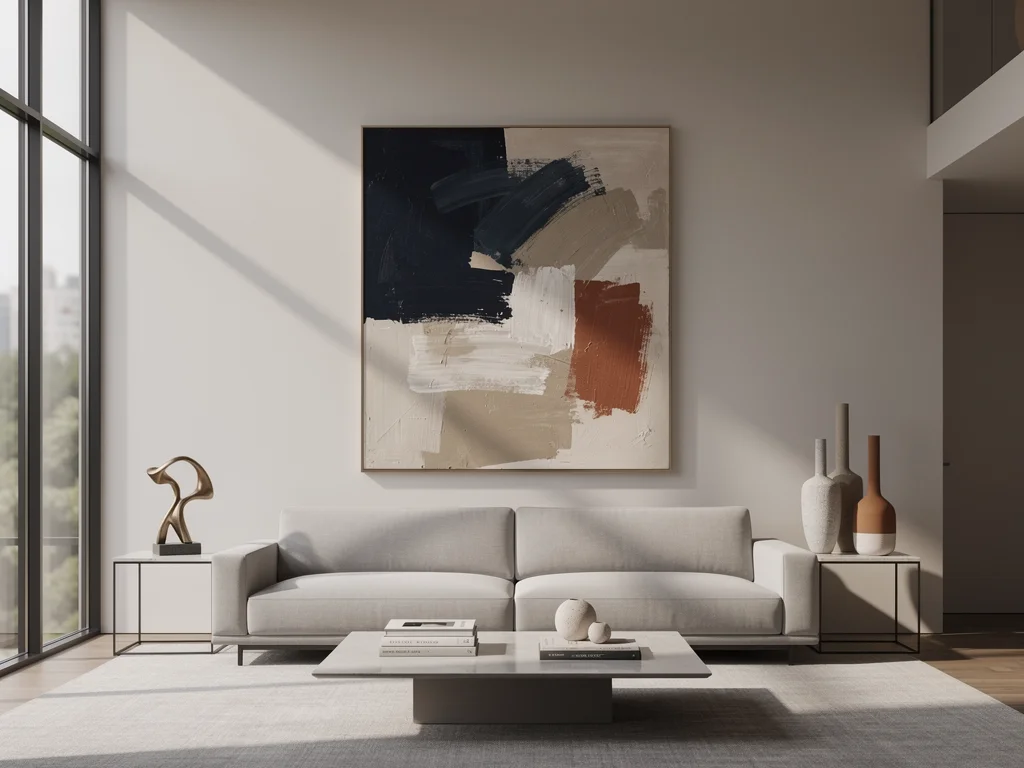
Integrating art as decor transforms a house into a home by infusing personality, history, and aesthetic appeal, creating a unique narrative for residents and guests alike.
In the evolving landscape of home design, understanding how to effectively integrate art as decor is more crucial than ever. Your living space is a direct reflection of your personality, experiences, and aspirations, and art serves as a powerful medium to tell that story. As we look towards 2026, the emphasis is shifting from mere ornamentation to purposeful curation, turning each piece into a conversational cornerstone rather than just a wall filler. This guide will explore seven expert strategies to help you not only select but also display your art collection, ensuring it enhances your home’s narrative and resonates with contemporary design principles.
Understanding Your Personal Style and Narrative
Before you even begin to think about acquiring new pieces or rearranging your current collection, it is paramount to delve deep into your personal style and the narrative you wish your home to convey. Art is deeply personal, and its effectiveness as decor hinges entirely on how well it aligns with your identity and lifestyle. This introspection ensures that your choices are authentic and contribute meaningfully to your living environment, rather than simply following fleeting trends.
Consider what truly resonates with you. Are you drawn to vibrant, bold statements, or do you prefer the serene subtlety of minimalist works? Your home’s narrative should be an evolving story, reflecting your journey, passions, and even your dreams. Every piece of art you introduce should feel like a natural extension of this narrative, adding layers of depth and intrigue. This foundational understanding will guide all subsequent decisions, from color palettes to placement.
Defining Your Aesthetic Core
To pinpoint your aesthetic core, take time to observe what art forms, periods, or artists genuinely captivate you. Do you find yourself gravitating towards classic landscapes, modern abstracts, or perhaps contemporary photography? Understanding these preferences helps in building a cohesive collection that speaks volumes about who you are. Your aesthetic core is not static; it can evolve, but having a clear starting point is essential for effective curation.
- Reflect on emotions: What feelings do certain artworks evoke in you?
- Consider your lifestyle: Does your art complement your daily routines and activities?
- Examine existing decor: What themes or colors are already present in your home?
- Explore different genres: Don’t limit yourself; broaden your artistic horizons.
The journey of defining your personal style is continuous. It involves exploring, experiencing, and reflecting. The more you understand your own preferences, the more confidently you can select art that genuinely enhances your home’s narrative, making your space uniquely yours. This initial step is often overlooked but is the bedrock of successful art integration.
Ultimately, your art collection should tell a story that is distinctly yours. It’s about creating an environment that feels authentic and inspiring. By understanding your personal style and the narrative you wish to convey, you lay a strong foundation for curating art that truly transforms your house into a personalized sanctuary.
Strategic Placement: Maximizing Impact and Flow
Once you have a clear understanding of your personal style, the next critical step in integrating art as decor is strategic placement. The location of an artwork can dramatically alter its perception and impact within a room. It’s not merely about hanging a picture on a wall; it’s about creating visual pathways, focal points, and a sense of balance that enhances the overall flow and harmony of your living space.
Consider how each piece interacts with its surroundings—the furniture, lighting, and architectural features. A well-placed artwork can draw the eye, define a zone, or even create an illusion of space. Conversely, poor placement can make a room feel cluttered or disjointed, undermining the beauty of individual pieces. Thinking strategically about where each artwork belongs is essential for maximizing its aesthetic and emotional contribution to your home.
Creating Focal Points with Art
Every room benefits from a strong focal point, and art is an excellent candidate for this role. A large painting above a fireplace, a striking sculpture in an entryway, or a gallery wall can immediately capture attention and set the tone for the entire space. When selecting a focal point, ensure it is proportionate to the room and the wall it occupies, avoiding pieces that are too small and get lost, or too large and overwhelm.
- Above the sofa: A classic placement for a large statement piece.
- Entryway wall: Welcomes guests and sets the home’s artistic tone.
- Dining room: Enhances conversation and atmosphere.
- Bedroom headboard: Adds a personal touch and visual interest.
Beyond focal points, consider the flow of art throughout your home. Do pieces relate to each other, even if they are in different rooms? A consistent thematic or color palette can create a cohesive experience as you move from one space to another. This thoughtful approach to placement ensures that your art collection feels integrated and intentional, rather than a random assortment of objects.
Ultimately, strategic placement is about more than just aesthetics; it’s about enhancing the functionality and emotional resonance of your home. By carefully considering where each piece of art will live, you ensure that it contributes to a harmonious and engaging environment, making your collection truly shine.
Mixing Mediums and Textures: Adding Depth and Interest
To truly elevate your approach to art as decor, it’s essential to move beyond flat canvases and embrace a diverse range of mediums and textures. A visually rich home is one that engages multiple senses, and varying the types of art you display can add significant depth and interest. This strategy prevents your spaces from feeling monotonous, creating dynamic compositions that invite closer inspection and appreciation.
Think about incorporating sculptures, ceramics, textiles, and even digital art into your collection. Each medium brings its own unique qualities—the three-dimensionality of sculpture, the tactile warmth of textiles, the sleekness of metalwork. By thoughtfully combining these elements, you can create layers of visual and textural intrigue that make your home feel more sophisticated and curated.
Integrating Diverse Art Forms
Don’t limit yourself to traditional paintings. Explore how different art forms can complement each other and create a richer narrative. A delicate ceramic piece might sit beautifully next to a bold abstract painting, or a woven tapestry could add softness to a wall adorned with framed prints. The key is to find balance and ensure that each piece contributes to the overall aesthetic without competing for attention.
- Sculptures: Offer three-dimensional interest and can act as standalone focal points.
- Textile art: Adds warmth, color, and a soft texture to walls.
- Photography: Provides a modern touch and can capture specific moments or themes.
- Mixed-media pieces: Combine various materials for unique visual effects.
The interplay of different textures is just as important as the variety of mediums. Consider how smooth glass contrasts with rough pottery, or how shiny metal reflects light differently than matte wood. These subtle contrasts create a more engaging visual experience, preventing any single element from dominating the scene. It’s about creating a dialogue between different materials and forms.
By intentionally mixing mediums and textures, you can transform your home into a gallery of curated wonders. This approach encourages exploration and adds a sophisticated layer of design, ensuring your art collection is not only beautiful but also deeply engaging and reflective of a well-traveled, thoughtful eye.
The Art of the Gallery Wall: Cohesion and Storytelling
The gallery wall remains a timeless and effective technique for integrating art as decor, offering an unparalleled opportunity for cohesion and storytelling within a single display. Far from a haphazard collection of frames, a well-executed gallery wall is a meticulously composed arrangement that tells a visual story, reflects personal taste, and adds significant character to any room. It’s an art form in itself, requiring thoughtful planning and a keen eye for balance.
When done correctly, a gallery wall can transform a blank wall into a dynamic focal point, showcasing a diverse range of artworks, photographs, and even cherished mementos. It allows you to combine different sizes, styles, and mediums into a unified aesthetic statement, creating visual interest and sparking conversation. The beauty of a gallery wall lies in its flexibility and its capacity to evolve with your collection.
Planning Your Gallery Wall Layout
Successful gallery walls are rarely accidental. They require careful planning of the layout to ensure visual harmony and impact. Start by laying your pieces on the floor to experiment with different arrangements. Consider a central anchor piece around which smaller items can be arranged, or opt for a grid-like pattern for a more structured look. The spacing between frames is crucial; consistency often leads to a more polished appearance.
- Choose a theme: Color palette, subject matter, or frame style.
- Vary sizes and shapes: Mix large pieces with smaller ones for dynamic interest.
- Use templates: Cut paper templates of your frames to test layouts on the wall.
- Consider negative space: Allow breathing room between pieces to avoid clutter.
Beyond the layout, the narrative aspect of a gallery wall is key. Each piece should contribute to a larger story, whether it’s a travelogue through postcards and photos, a family history through portraits, or an exploration of a particular artistic movement. This storytelling element is what elevates a gallery wall from a mere display to a meaningful collection that resonates deeply with the inhabitants of the home.
Mastering the art of the gallery wall allows you to create a personalized and engaging feature that enhances your home’s narrative. It’s a testament to your curated taste and a powerful tool for showcasing your unique art collection in a cohesive and impactful way, making your walls speak volumes about who you are.
Lighting Your Art: Enhancing Mood and Detail
Effective lighting is a powerful, yet often overlooked, component in integrating art as decor. The right illumination can dramatically enhance the mood of a room, highlight intricate details of an artwork, and even protect sensitive pieces from damage. Just as a spotlight brings a performer to life on stage, carefully chosen lighting can transform how your art is perceived, making it a truly captivating element in your home’s narrative.
Poor lighting can leave even the most exquisite artwork looking dull and lifeless, while expertly applied light can reveal textures, colors, and nuances that might otherwise go unnoticed. It’s about creating an optimal viewing experience, drawing the eye to your curated pieces, and ensuring they contribute their full aesthetic value to your living environment.
Types of Art Lighting
There are several approaches to lighting art, each with its own benefits. Track lighting offers flexibility, allowing you to adjust beams to highlight different pieces as your collection evolves. Picture lights, mounted directly above the artwork, provide a focused, intimate glow. Accent lighting, such as recessed fixtures or adjustable spotlights, can wash a wall with light, drawing attention to a larger display or an entire gallery wall.
- Track lighting: Versatile and adjustable for multiple pieces.
- Picture lights: Ideal for individual artworks, creating a classic gallery feel.
- Recessed spotlights: Provide a clean, modern look for overall illumination.
- LED technology: Energy-efficient and produces minimal heat, protecting art.
When planning your art lighting, consider the type of art you are illuminating. Delicate watercolors or photographs may require UV-filtered light to prevent fading, while sculptures can benefit from lighting that casts interesting shadows and emphasizes their three-dimensionality. The warmth or coolness of the light also plays a role in how colors are perceived; warmer lights can enhance earthy tones, while cooler lights might suit blues and greens.
By thoughtfully considering and implementing appropriate lighting, you not only make your art more visible but also elevate its presence within your home. Lighting transforms your art from mere objects into vibrant, engaging focal points, ensuring they contribute fully to the mood and narrative you wish to create in your curated space.
Integrating Art with Functionality: Beyond the Wall
While art traditionally adorns walls, a truly curated home integrates art into its very functionality, blending aesthetic appeal with practical utility. This approach goes beyond simply hanging a painting; it involves selecting pieces that serve a purpose while simultaneously enhancing the overall design and narrative of your living space. By thinking creatively about how art can be used, you add another layer of sophistication and personal touch to your decor.
Consider how art can become an active part of your daily life, rather than just a passive observer. This might involve choosing furniture that doubles as sculptural elements, selecting decorative objects that are also functional, or even incorporating artistic techniques into everyday items. This fusion ensures that every element in your home contributes to its unique story and aesthetic.
Functional Art Pieces
Functional art pieces are those that serve a practical purpose while also possessing significant artistic merit. A beautifully crafted ceramic vase is not just for flowers; it’s a sculptural object in its own right. A unique, hand-carved wooden bench offers seating while also acting as a statement piece. These items blur the lines between art and utility, making your home both beautiful and highly livable.
- Artistic shelving: Sculptural designs that hold books and display items.
- Hand-painted ceramics: Serve as dinnerware or decorative accents.
- Designer lighting fixtures: Act as both light sources and hanging sculptures.
- Textile art as throws or rugs: Add warmth and visual texture to seating areas.
Another way to integrate art with functionality is through custom-made pieces that are tailored to your specific needs and aesthetic. A custom stained-glass window can provide privacy while casting beautiful patterns of light. A bespoke mural can define a dining area, making it feel both intimate and grand. These personalized touches ensure that your functional items are as unique and meaningful as your framed art.
By integrating art with functionality, you transform your home into a dynamic and engaging environment where every object tells a part of your story. This thoughtful approach to decor proves that art doesn’t have to be confined to a frame; it can be an active, living component of your daily existence, enriching your space in myriad ways.
Curating for Evolution: A Living Collection
A truly expert approach to art as decor acknowledges that a collection is not static; it is a living entity, constantly evolving alongside your tastes, experiences, and the changing dynamics of your home. Curating for evolution means embracing change, understanding that your collection will grow, shift, and adapt over time. This mindset prevents your decor from becoming stagnant, ensuring your home’s narrative remains fresh, relevant, and continually reflective of who you are.
This ongoing process involves periodically reassessing your pieces, considering new acquisitions, and being open to re-arranging or even rotating artworks. It’s about maintaining a dynamic relationship with your collection, allowing it to breathe and transform, much like life itself. This continuous curation ensures that your home always feels vibrant and alive, a true reflection of your evolving journey.
Rotating and Reimagining Your Displays
One of the simplest yet most effective ways to curate for evolution is to periodically rotate your art. This doesn’t necessarily mean buying new pieces constantly. Instead, it involves moving existing artworks to different rooms, changing their pairings, or even bringing pieces out of storage to give them a fresh perspective. Rotating your art can dramatically alter the feel of a room without significant investment.
- Seasonal rotation: Swap art pieces to match the mood of different seasons.
- Thematic rearrangement: Group pieces by color, subject, or artist for a new display.
- Introduce new finds: Gradually integrate new acquisitions into your existing collection.
- Reframe pieces: A new frame can give an old artwork a completely fresh look.
Consider also how your lifestyle changes might impact your art collection. A growing family might necessitate child-friendly art displays, while a new hobby could inspire you to collect pieces related to that interest. Allowing your collection to evolve with these life changes ensures that your home remains a deeply personal and meaningful space, always telling your current story.
Curating for evolution is about embracing the journey of your art collection. It’s an active process of engagement, reflection, and adaptation that ensures your home’s narrative continues to unfold in interesting and authentic ways. By nurturing a living collection, you create a space that is not only beautiful but also continually inspiring and deeply personal.
| Key Point | Brief Description |
|---|---|
| Personal Style & Narrative | Align art choices with your identity and home’s story for authentic decor. |
| Strategic Placement | Maximize impact and visual flow by carefully positioning each artwork. |
| Mixing Mediums & Textures | Incorporate diverse art forms like sculptures and textiles for depth. |
| Curating for Evolution | Allow your art collection to grow and adapt with your changing tastes and lifestyle. |
Frequently Asked Questions About Art as Decor
Begin by identifying your personal style and what emotional connection you seek from art. Start small with pieces you genuinely love, regardless of their perceived value or trendiness. Visit local galleries, art fairs, and online platforms to explore different styles and artists. Consistency in your selections will naturally build a cohesive collection over time.
Optimal spots include above a sofa or fireplace mantel, creating a natural focal point. Consider a gallery wall on a prominent blank wall to tell a visual story. Ensure pieces are hung at eye level for comfortable viewing, typically with the center of the artwork about 57-60 inches from the floor.
Absolutely! Mixing styles adds depth and personality. The key is to find common threads, such as a unifying color palette, a shared theme, or consistent framing. This creates a curated, eclectic look rather than a chaotic one. Experiment with balance between traditional and modern pieces.
Lighting is crucial. Proper illumination enhances colors, textures, and details, bringing artworks to life. Poor lighting can leave pieces looking dull. Use specific art lights like picture lights, track lighting, or accent spotlights. Consider LED options for energy efficiency and minimal heat emission, which protects your art from damage.
Avoid clutter by practicing thoughtful curation and strategic placement. Don’t feel compelled to display every piece you own simultaneously; rotate your collection. Ensure adequate negative space around artworks, especially on gallery walls. Group similar pieces, or use a consistent framing style to create visual order and cohesion.
Conclusion
Integrating art into your home’s decor is a profound journey of self-expression and aesthetic enhancement. By understanding your personal narrative, strategically placing each piece, embracing diverse mediums, and thoughtfully lighting your collection, you transform a house into a truly personalized sanctuary. The principles of creating cohesive gallery walls and functional art pieces further elevate your space, ensuring every element contributes to a rich, evolving story. Remember that your art collection is a living entity, meant to grow and adapt with you, making your home a dynamic reflection of your unique life and style in 2026 and beyond.