Bedroom Sanctuary: 7 Decor Elements for a Restful Retreat
Advertisements
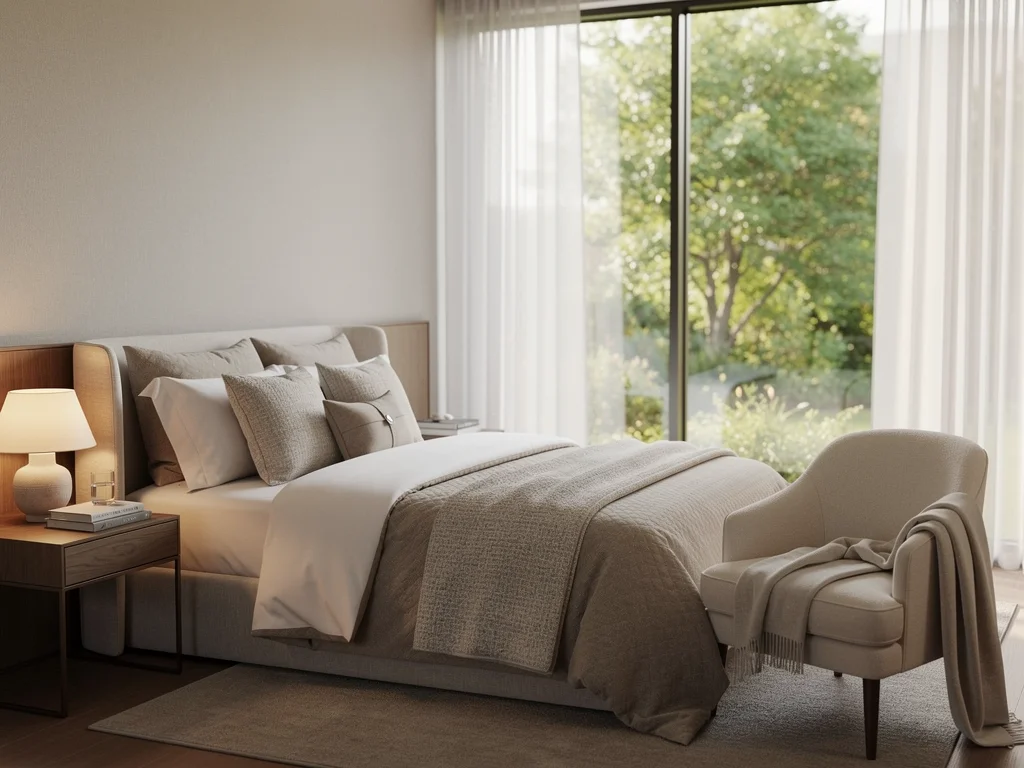
Creating a bedroom sanctuary decor by 2026 involves integrating intentional lighting, luxurious textiles, biophilic elements, smart technology, personalized art, effective decluttering, and aromatherapy to foster a stylish, serene, and deeply restorative personal space.
In our increasingly chaotic world, the concept of a personal haven, a true bedroom sanctuary decor, has transitioned from a luxury to a necessity. By 2026, the demand for spaces that actively promote rest, rejuvenation, and mental well-being will be paramount. Your bedroom, more than any other room, should serve as this ultimate retreat. It’s not merely about aesthetics; it’s about crafting an environment that speaks to your soul, calms your mind, and prepares your body for restorative sleep. But how does one achieve this delicate balance of style and serenity? Let’s explore seven crucial decor elements that will help you transform your bedroom into the ultimate sanctuary by 2026.
Intentional lighting: setting the mood for tranquility
Lighting is arguably one of the most powerful tools in shaping the ambiance of any room, and nowhere is this more true than in the bedroom. By 2026, the approach to bedroom lighting will emphasize layers, flexibility, and a deep understanding of circadian rhythms. Harsh overhead lights are out; soft, warm, and adjustable illumination is in.
Think beyond a single ceiling fixture. Incorporate task lighting for reading, ambient lighting for general illumination, and accent lighting to highlight architectural features or artwork. The goal is to create a soft glow that mimics natural light cycles, signaling to your body when it’s time to wind down.
Layered lighting for optimal comfort
Achieving a truly tranquil bedroom environment hinges on the strategic layering of light sources. This approach allows you to adapt the illumination to various activities and moods, from bright enough to get ready in the morning to a soft, warm glow for evening relaxation.
- Ambient lighting: This forms the base layer, providing overall illumination. Recessed lighting with dimmers, or a stylish pendant light with a warm-toned bulb, are excellent choices.
- Task lighting: Essential for specific activities like reading in bed. Bedside lamps with adjustable brightness or wall-mounted sconces save space and offer focused light.
- Accent lighting: Used to highlight features, create depth, and add a decorative touch. Small LED strips behind headboards or within shelving can create a subtle, inviting glow.
Smart lighting systems, easily controlled via voice or app, will be standard, allowing for seamless transitions from bright morning light to a dim, sunset-like glow as evening approaches. The color temperature of your bulbs also plays a critical role; opt for warmer temperatures (2700K-3000K) for a cozy, relaxing atmosphere, reserving cooler temperatures for areas where alertness is desired, not in the bedroom.
Ultimately, intentional lighting in your bedroom sanctuary is about creating a dynamic environment that supports your well-being. It’s about harnessing light to induce calm, enhance comfort, and prepare your body and mind for restorative sleep, making your bedroom a true haven.
Luxurious textiles: the touch of comfort and style
The tactile experience within your bedroom plays a monumental role in its perceived comfort and luxury. By 2026, luxurious textiles will be central to creating a truly inviting and restful bedroom sanctuary decor. This goes beyond just soft sheets; it encompasses every fabric element in the room, from bedding to curtains and rugs.
Investing in high-quality materials like organic cotton, linen, silk, or cashmere can dramatically elevate the sensory experience. These materials not only feel incredible against the skin but also often boast superior breathability and durability, contributing to better sleep quality and longevity.
Curating a sensory experience with fabrics
The key to mastering textiles in your bedroom is to think about layering and texture. A monochromatic palette can be made infinitely more interesting with varying textures, creating visual depth and a rich sensory landscape.
- Bedding: Start with premium sheets (think high thread count or natural fibers). Add a plush duvet or comforter, layered with decorative pillows and a throw blanket for warmth and visual appeal.
- Window treatments: Heavy, lined curtains in a soft fabric like velvet or linen can block light and insulate, while sheer panels can offer privacy while still letting in diffused natural light.
- Rugs: A soft rug underfoot provides warmth and grounds the space. Consider wool, silk, or a high-pile synthetic for a luxurious feel.
Beyond the bed, consider upholstered headboards or benches at the foot of the bed. These elements introduce additional softness and comfort, making the room feel more cocoon-like. The selection of colors and patterns should align with your desired mood – calming neutrals and muted tones often work best for a sanctuary, but a subtle pattern can add personality without overwhelming the senses.
The strategic use of luxurious textiles transforms a bedroom from a functional space into a lavish retreat. The feel of soft fabrics, the warmth of a plush rug, and the drape of elegant curtains all contribute to an atmosphere of ultimate comfort and sophisticated style, making your bedroom a true sanctuary.
Biophilic design: bringing nature indoors
As urban living continues to dominate, the yearning for connection with nature intensifies. Biophilic design, the practice of integrating natural elements into interior spaces, will be a cornerstone of the bedroom sanctuary decor by 2026. This approach enhances well-being, reduces stress, and improves air quality, making the bedroom a more restorative environment.
Incorporating plants, natural materials, and organic patterns can create a palpable sense of calm and vitality. It’s about more than just adding a potted plant; it’s about thoughtfully weaving nature into the very fabric of your design.
Integrating natural elements for serenity
The beauty of biophilic design lies in its versatility. From subtle touches to more prominent features, there are numerous ways to invite nature into your bedroom.
- Living plants: Choose low-maintenance, air-purifying plants like snake plants, peace lilies, or ZZ plants. Their presence not only adds greenery but also improves indoor air quality.
- Natural materials: Opt for furniture made from wood, rattan, or bamboo. Stone accents, wool rugs, and linen bedding further enhance the natural appeal.
- Natural light and views: Maximize natural light with sheer curtains or by keeping windows unobstructed. If possible, position your bed to offer a pleasant view of nature outside.
Consider incorporating water features, such as a small tabletop fountain, for the soothing sound of trickling water. Artwork depicting natural landscapes, botanical prints, or abstract interpretations of natural forms can also contribute to a biophilic aesthetic. Even the color palette can draw inspiration from nature, with shades of green, blue, and earthy tones promoting a sense of calm.
Embracing biophilic design in your bedroom sanctuary creates a space that feels fresh, alive, and deeply connected to the natural world. This connection fosters a sense of peace and tranquility, essential for a restorative retreat from the demands of daily life.
Smart technology: enhancing comfort discreetly
Technology, often perceived as a source of distraction, can be a powerful ally in creating a serene bedroom sanctuary decor by 2026, provided it’s integrated thoughtfully and discreetly. The focus shifts from overt gadgets to seamless, intuitive systems that enhance comfort, optimize sleep, and promote relaxation without intruding on the calm aesthetic.
Think about technology that works in the background, making your life easier and your sleep better. This isn’t about bringing your office into the bedroom, but rather about leveraging innovation for well-being.
Seamless integration for a smarter sleep environment
The key to smart technology in the bedroom is its ability to automate and personalize your environment, allowing you to focus on rest.
- Smart lighting systems: As mentioned, these allow for precise control over brightness and color temperature, creating routines that align with your sleep-wake cycle.
- Climate control: Smart thermostats and air purifiers maintain optimal temperature and air quality, crucial for comfortable sleep. Some even have sleep modes that adjust throughout the night.
- Soundscapes: White noise machines or smart speakers with calming nature sounds can mask disruptive noises and aid relaxation.
Consider smart blinds or shades that can be programmed to open and close with the sunrise and sunset, gently waking you or preparing the room for sleep. Discreet charging stations integrated into nightstands keep devices out of sight, reducing visual clutter. Even sleep trackers, if worn discreetly, can provide valuable insights into your sleep patterns without disrupting the room’s aesthetic.
When implemented with intention, smart technology transforms the bedroom into an intelligent haven. It provides effortless control over your environment, contributing to a more comfortable, personalized, and ultimately, more restful sleep experience, making it an indispensable element of your bedroom sanctuary.
Personalized art and decor: reflecting your inner self
A truly effective bedroom sanctuary decor is one that deeply resonates with its occupant. By 2026, personalization through art and decor will be paramount, moving beyond generic trends to curate a space that reflects your unique personality, memories, and aspirations. This isn’t about filling every empty space, but rather about carefully selecting pieces that evoke positive emotions and a sense of belonging.
The items you choose to display should tell a story, your story. They should serve as visual affirmations of who you are and what brings you joy, contributing to a profound sense of peace and comfort.
Curating meaningful visual elements
The selection of art and decor should be a deliberate process, focusing on quality over quantity and meaning over momentary trends.
- Meaningful artwork: Choose pieces that evoke calm, joy, or inspiration. This could be a painting from a local artist, a photograph from a cherished trip, or even a piece of abstract art that speaks to you.
- Personal mementos: Display a few carefully selected items that hold sentimental value, such as a family heirloom, a gift from a loved one, or a souvenir from a significant experience.
- Books and magazines: A small collection of your favorite books can add warmth and a sense of intellectual comfort.
Avoid clutter; the goal is a curated collection, not a jumbled display. Consider incorporating elements that appeal to your senses beyond sight, such as a beautifully crafted scented candle or a smooth, tactile sculpture. The color palette of your art and decor should complement the overall scheme of your bedroom, contributing to a harmonious and cohesive feel.
By surrounding yourself with personalized art and decor, your bedroom transforms into a deeply personal sanctuary. These elements not only add aesthetic appeal but also serve as constant reminders of your identity and sources of comfort, making your retreat truly unique and restorative.
Decluttering and organization: the foundation of calm
No matter how luxurious your textiles or advanced your smart tech, a cluttered bedroom will always undermine any attempt at creating a peaceful bedroom sanctuary decor. By 2026, the understanding that a clear space fosters a clear mind will be universal. Effective decluttering and meticulous organization are not just about tidiness; they are fundamental to mental well-being and a truly restful environment.
This element requires a proactive approach, regularly assessing what you bring into your bedroom and ensuring everything has a designated place. It’s about creating systems that make maintaining order effortless.
Strategies for a serene, organized space
Achieving a decluttered and organized bedroom involves a blend of smart storage solutions and mindful habits.
- Regular purges: Periodically go through your belongings and remove anything that doesn’t serve a purpose or bring you joy. Be ruthless with clothes, old papers, and miscellaneous items.
- Smart storage: Utilize under-bed storage, built-in wardrobes, and nightstands with drawers to keep items out of sight. Vertical storage solutions like tall dressers or shelving units can maximize space.
- Designated spots: Ensure every item in your bedroom has a specific home. This makes tidying up quick and prevents clutter from accumulating.
Consider minimalist furniture designs that offer integrated storage, reducing the need for additional pieces. Keep surfaces clear of unnecessary items; a single, well-chosen decorative object is more impactful than several small trinkets. Even the way you arrange your clothes in your closet can contribute to a sense of order and calm.
A decluttered and organized bedroom is the silent hero of any sanctuary. It reduces visual noise, minimizes mental distractions, and promotes a profound sense of peace and control. By mastering this element, you lay the essential groundwork for a truly restorative and stylish bedroom retreat.
Aromatherapy: engaging the sense of smell
The sense of smell is intimately linked to memory and emotion, making aromatherapy an incredibly powerful, yet often overlooked, element in crafting a bedroom sanctuary decor. By 2026, the use of carefully chosen scents to promote relaxation, improve sleep, and uplift mood will be a sophisticated and integral part of bedroom design. This isn’t just about masking odors; it’s about intentionally infusing your space with therapeutic fragrances.
Different essential oils and natural scents can have distinct effects on the mind and body, allowing you to tailor the atmospheric experience to your specific needs.
Scents for a tranquil and restorative ambiance
Integrating aromatherapy into your bedroom sanctuary requires understanding the properties of various scents and choosing delivery methods that suit your style.
- Essential oil diffusers: These are an excellent way to disperse natural scents throughout the room. Look for diffusers with timers or intermittent settings.
- Scented candles: Choose candles made from natural waxes (soy, beeswax) with essential oil-based fragrances. Opt for subtle, calming scents rather than overpowering artificial ones.
- Linen sprays: A light mist of lavender or chamomile linen spray on your sheets and pillows before bed can enhance relaxation and promote sleep.
Popular scents for a bedroom sanctuary include lavender (known for its calming and sleep-inducing properties), chamomile (soothing and stress-reducing), cedarwood (grounding and comforting), and bergamot (uplifting yet calming). You can also experiment with blends to create a unique signature scent for your space. Ensure that any products you use are natural and free from harsh chemicals, which can be irritating or counterproductive to well-being.
By thoughtfully engaging your sense of smell, aromatherapy elevates your bedroom into a multi-sensory sanctuary. It adds an invisible layer of comfort and calm, subtly influencing your mood and promoting a deeper sense of relaxation, completing the experience of a truly restorative retreat.
| Key Element | Description for Sanctuary |
|---|---|
| Intentional Lighting | Layered, warm, and dimmable lighting to create a soothing, sleep-conducive atmosphere. |
| Luxurious Textiles | High-quality, soft fabrics for bedding, curtains, and rugs that enhance comfort and tactile pleasure. |
| Biophilic Design | Integrating plants, natural materials, and organic patterns to connect with nature and reduce stress. |
| Decluttering & Organization | Maintaining a clear, organized space to promote mental calm and reduce visual distractions. |
Frequently asked questions about bedroom sanctuary decor
While all elements contribute, intentional lighting is arguably the most crucial. It directly impacts your mood, circadian rhythm, and perceived comfort, setting the stage for relaxation. Adjustable, warm, and layered lighting can transform a room’s atmosphere more effectively than any other single decor choice.
You don’t need to be a plant expert! Opt for low-maintenance plants like snake plants, ZZ plants, or peace lilies. Alternatively, integrate natural materials like wood furniture, stone accents, or botanical prints. Even a window with a view of nature contributes significantly to biophilic design.
Focus on discreet tech that enhances comfort and sleep. Smart lighting, climate control (thermostats, air purifiers), and sound machines are ideal. Avoid devices that create visual clutter or encourage screen time. The goal is seamless, background integration for better well-being.
Yes, dark colors can be excellent for a bedroom sanctuary as they often promote a sense of coziness and depth, aiding relaxation. Deep blues, charcoals, or rich greens can create a cocoon-like effect, especially when balanced with soft lighting and luxurious textures. It depends on personal preference and how light is managed.
Regular, small decluttering sessions are more effective than infrequent, large ones. Aim for a quick tidy-up daily and a more thorough purge once a month. This prevents accumulation and keeps the space consistently calm and organized, reinforcing the sanctuary atmosphere without overwhelming effort.
Conclusion
Creating a bedroom sanctuary decor by 2026 is an investment in your personal well-being, transforming a mere sleeping space into a holistic retreat. By thoughtfully integrating intentional lighting, luxurious textiles, biophilic design, smart technology, personalized art, diligent decluttering, and soothing aromatherapy, you craft an environment that actively supports rest, rejuvenation, and inner peace. These seven elements, when harmoniously combined, ensure that your bedroom becomes not just a room, but a haven where you can truly escape, recharge, and reconnect with yourself, ready to face the demands of modern life with renewed energy and calm.