Fabric Focus 2026: Best Materials for Comfort & Longevity
Advertisements
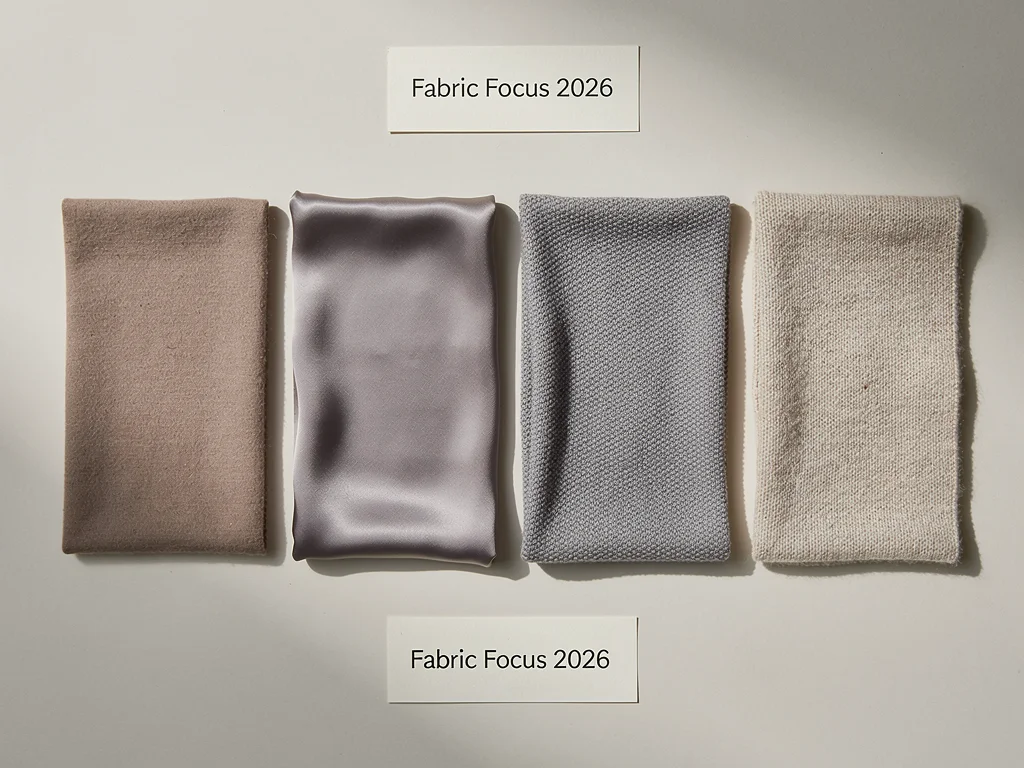
The 2026 fabric focus highlights four essential materials—organic cotton, Tencel Lyocell, recycled polyester, and merino wool—that offer an optimal blend of comfort, longevity, and environmental responsibility for everyday wear, guiding consumers toward smarter wardrobe decisions.
As we step into 2026, the demand for clothing that marries supreme comfort with lasting durability is higher than ever. Understanding the evolving landscape of textiles is crucial, and our fabric focus 2026 reveals the top materials designed to elevate your everyday wardrobe, ensuring both a pleasant feel against your skin and a reduced environmental footprint.
Understanding the Shift in Fabric Preferences
The modern consumer is increasingly discerning, moving beyond fleeting trends to prioritize garments that offer genuine value. This shift is driven by a desire for clothing that not only feels good to wear but also stands the test of time, reducing the need for constant replacement. The conversation around sustainability has also matured, influencing choices towards materials that are produced more responsibly.
This evolving mindset means that fabric innovation is no longer just about aesthetics; it’s about performance, ethics, and longevity. Brands are responding by investing in research and development to produce textiles that meet these complex demands. From the way fibers are sourced to how they are processed and ultimately woven, every step is under scrutiny to ensure the final product aligns with contemporary values.
The Rise of Conscious Consumption
- Durability: Consumers seek clothes that last longer, resisting wear and tear.
- Comfort: Softness, breathability, and ease of movement are paramount for daily wear.
- Sustainability: Growing demand for eco-friendly and ethically produced materials.
- Versatility: Fabrics that adapt to various activities and climates are highly valued.
The impact of fast fashion has prompted a reevaluation of purchasing habits. People are now more inclined to invest in fewer, higher-quality pieces that offer better value over their lifespan. This doesn’t just mean better materials, but also better construction and timeless designs that won’t quickly go out of style. The emphasis is on a holistic approach to clothing that considers its entire life cycle.
In essence, the fabric landscape of 2026 is a reflection of a more mature and responsible consumer base. It’s about making informed decisions that benefit both the individual and the planet, moving towards a wardrobe that is both functional and conscientious. This foundational understanding sets the stage for exploring the specific materials leading this revolution.
Organic Cotton: The Enduring Staple for Everyday Comfort
Organic cotton continues its reign as a perennial favorite, but its significance in 2026 is amplified by enhanced sustainability practices and broader accessibility. Esteemed for its unparalleled softness and breathability, organic cotton is a cornerstone for comfort in everyday wear, offering a gentle touch that is ideal for sensitive skin and suitable for a wide range of climates.
What truly sets organic cotton apart in the current landscape is its cultivation method. Grown without synthetic pesticides, herbicides, or genetically modified organisms, it promotes healthier soils, conserves water, and supports biodiversity. This commitment to ecological farming practices resonates deeply with consumers seeking garments that are kind to both themselves and the environment, making it a powerful choice in the fabric focus 2026.
Key Benefits of Organic Cotton
- Hypoallergenic: Ideal for sensitive skin due to the absence of harsh chemicals.
- Breathable: Allows air circulation, keeping the wearer cool and comfortable.
- Softness: Known for its luxurious feel, which improves with each wash.
- Durability: Strong fibers ensure garments withstand frequent wear and laundering.
The versatility of organic cotton is another significant factor in its enduring popularity. It can be woven into various textures and weights, from lightweight jersey knits perfect for summer t-shirts to sturdy canvas for durable pants. This adaptability makes it suitable for almost any type of casual clothing, from loungewear to workwear, without compromising on comfort or style. The natural elasticity and resilience of its fibers also contribute to its longevity, ensuring that organic cotton garments maintain their shape and integrity over time.
Furthermore, innovations in organic cotton processing are leading to even more refined products. Advances in dyeing techniques using natural pigments and water-saving methods are further solidifying its position as a leading sustainable fabric. These improvements mean that consumers can enjoy the classic comfort of cotton with an even greater assurance of environmental responsibility, making it an indispensable part of any thoughtful wardrobe.
Tencel Lyocell: Sustainable Softness and Exceptional Drape
Tencel Lyocell, a branded form of lyocell fiber, has rapidly ascended to prominence as a preferred textile for its remarkable softness, luxurious drape, and outstanding sustainability credentials. Derived from sustainably sourced wood pulp, primarily eucalyptus, through a closed-loop production process, Tencel Lyocell minimizes chemical waste and water usage, making it an eco-conscious alternative to many conventional fabrics.
The unique manufacturing process of Tencel Lyocell involves dissolving wood pulp in a non-toxic organic solvent, which is then recovered and reused. This efficiency greatly reduces its environmental impact, appealing to both environmentally aware consumers and brands committed to greener practices. Its inherent properties also make it an excellent choice for everyday clothing, offering a sophisticated feel that belies its robust performance.
Advantages of Tencel Lyocell in Fashion
- Silky Smoothness: Exceptionally soft and gentle on the skin, often compared to silk.
- Excellent Drapability: Creates fluid, elegant silhouettes, enhancing garment aesthetics.
- Moisture Management: Naturally wicks away moisture, keeping the wearer dry and comfortable.
- Breathability: Allows for excellent air circulation, preventing overheating.
Beyond its environmental benefits, Tencel Lyocell excels in functional attributes. Its fibers are celebrated for their strength and resilience, which translate into garments that resist shrinking, fading, and wrinkling. This durability contributes significantly to the longevity of clothing, aligning perfectly with the growing consumer desire for items that last. The fabric’s smooth surface also makes it less prone to bacterial growth, adding an extra layer of freshness to everyday wear.
Tencel Lyocell’s ability to blend seamlessly with other fibers, such as cotton or wool, further expands its applications, allowing for hybrid fabrics that combine the best qualities of multiple materials. This versatility means it can be found in everything from casual t-shirts and dresses to more structured pants and outerwear, providing a refined touch and sustainable edge. As part of the fabric focus 2026, Tencel Lyocell represents a forward-thinking choice for those seeking both luxury and responsibility.
Recycled Polyester: Performance Meets Eco-Consciousness
Recycled polyester, often derived from post-consumer plastic bottles, has evolved beyond its initial niche in activewear to become a significant player in everyday fashion. Its transformation from waste product to wearable textile represents a powerful commitment to circularity and resource conservation, positioning it as a key material in the fabric focus 2026 for both its performance and environmental benefits.
The process of creating recycled polyester diverts plastic from landfills and oceans, reducing the demand for new petroleum-based raw materials. This not only conserves energy but also significantly lowers carbon emissions compared to virgin polyester production. Modern advancements in recycling technology have also improved the quality and feel of recycled polyester, making it suitable for a wider range of clothing types, moving far beyond just athletic gear.
Why Recycled Polyester is a Smart Choice
- Resource Conservation: Utilizes existing plastic waste, reducing landfill burden.
- Durability: Inherently strong and resistant to stretching, shrinking, and wrinkles.
- Quick-Drying: Excellent moisture-wicking properties, ideal for active lifestyles.
- Versatility: Can be engineered to mimic various textures and finishes, from soft to structured.
One of the primary advantages of recycled polyester is its inherent durability. Garments made from this material are known for their resistance to wear and tear, maintaining their shape and color even after numerous washes. This longevity makes it an economical and sustainable choice, as it reduces the frequency of clothing replacement. Its quick-drying and moisture-wicking properties also make it excellent for everyday wear, especially for those with active routines or in humid climates.
Furthermore, innovations in textile engineering have allowed recycled polyester to achieve a softer handfeel and improved breathability, addressing some of the earlier criticisms of synthetic fabrics. It can now be found in comfortable casual wear, outerwear, and even blends that enhance the performance of natural fibers. As the industry continues to refine its recycling processes and expand its applications, recycled polyester stands out as a testament to how innovation can drive both sustainability and functional excellence in fashion.
Merino Wool: Natural Performance for All Seasons
Merino wool, once primarily associated with outdoor adventure gear, has firmly established itself as a premium everyday fabric, celebrated for its unique blend of natural comfort, temperature regulation, and inherent longevity. Sourced from merino sheep, this fine wool offers a sophisticated alternative to conventional materials, providing benefits that are especially relevant for the discerning consumer of 2026.
Unlike coarser wools, merino fibers are exceptionally fine, resulting in a remarkably soft, non-itchy feel against the skin. This characteristic, combined with its natural elasticity, makes it incredibly comfortable for prolonged wear. Its ability to adapt to varying temperatures—keeping you warm in the cold and cool in the heat—is a significant advantage, making it a versatile choice for year-round use and a standout in our fabric focus 2026.
The Unmatched Qualities of Merino Wool
- Temperature Regulation: Keeps you warm when it’s cold and cool when it’s warm.
- Moisture Wicking: Absorbs and evaporates moisture, preventing dampness and odor.
- Odor Resistance: Naturally resists the buildup of odor-causing bacteria.
- Softness: Fine fibers provide a smooth, itch-free feel against the skin.
The durability of merino wool is another key factor in its appeal. Its fibers are naturally strong and resilient, resisting pilling and maintaining their shape over time. This longevity means that merino garments are a sustainable investment, reducing the need for frequent replacements. Moreover, merino wool is a renewable resource, and when untreated, it is biodegradable, further enhancing its environmental credentials. The natural crimp of the fibers also creates air pockets, providing excellent insulation without bulk.
Modern processing techniques have also made merino wool easier to care for, with many garments now machine washable. This convenience, combined with its natural resistance to wrinkles, makes it an ideal fabric for travel and everyday wear, requiring minimal maintenance. From luxurious base layers to stylish sweaters and even lightweight t-shirts, merino wool offers a blend of performance, comfort, and natural elegance that is hard to match, solidifying its place as a top choice for quality everyday clothing.
Integrating Sustainable Choices into Your Wardrobe
Making informed fabric choices is a powerful step towards building a more sustainable and comfortable wardrobe. The materials highlighted in our fabric focus 2026—organic cotton, Tencel Lyocell, recycled polyester, and merino wool—each offer unique benefits that cater to both personal comfort and environmental responsibility. Integrating these fabrics into your everyday clothing collection is not just a trend; it’s a conscious decision that impacts both your personal well-being and the planet.
The journey towards a more sustainable wardrobe involves more than just selecting eco-friendly materials; it also encompasses careful consideration of garment care, extending the life cycle of your clothes, and supporting brands that prioritize ethical production. By choosing fabrics known for their durability, you inherently reduce consumption and waste, contributing to a more circular economy in fashion.
Tips for a Sustainable Wardrobe
- Prioritize Quality: Invest in well-made garments from durable fabrics.
- Read Labels: Understand material composition and care instructions.
- Support Ethical Brands: Choose companies transparent about their supply chain.
- Proper Care: Follow washing instructions to extend garment life.
Consider how each fabric aligns with your lifestyle and values. Organic cotton offers classic comfort and breathability without harmful chemicals. Tencel Lyocell provides luxurious softness and drape with a responsible closed-loop production. Recycled polyester champions resource conservation and high performance, ideal for active lifestyles. Merino wool delivers natural temperature regulation and odor resistance, perfect for versatile, year-round wear. Each has a role in a balanced, thoughtful wardrobe.
Ultimately, the goal is to cultivate a wardrobe that serves you well, feels good, and aligns with your commitment to a healthier planet. By consciously choosing fabrics that offer both comfort and longevity, you’re not just buying clothes; you’re investing in a more sustainable future for fashion and a more enjoyable present for yourself. This integration of mindful choices is at the heart of the 2026 fabric trends, encouraging a deeper connection with what we wear.
| Fabric Type | Key Benefits for 2026 |
|---|---|
| Organic Cotton | Softness, breathability, hypoallergenic, sustainable farming. |
| Tencel Lyocell | Silky feel, excellent drape, moisture-wicking, closed-loop production. |
| Recycled Polyester | Durability, quick-drying, resource conservation, versatile performance. |
| Merino Wool | Temperature regulation, odor resistance, natural softness, renewable. |
Frequently Asked Questions About Everyday Fabrics
Sustainable fabrics are favored due to growing environmental awareness and consumer demand for ethical production. They minimize ecological impact, reduce waste, and often offer superior comfort and durability, aligning with conscious consumption trends for a healthier planet and longer-lasting wardrobe.
Organic cotton is grown without synthetic pesticides, herbicides, or GMOs, preserving soil health and biodiversity. Conventional cotton often uses harsh chemicals, impacting ecosystems and potentially causing skin irritation. Organic methods lead to a softer, purer fabric with a lower environmental footprint.
Tencel Lyocell is exceptionally soft, smooth, and breathable, providing a luxurious feel against the skin. Its excellent moisture-wicking properties keep you dry and comfortable, while its natural drape creates elegant silhouettes, making it ideal for comfortable, stylish everyday wear.
Yes, recycled polyester retains the inherent durability of virgin polyester, making it highly resistant to stretching, shrinking, and wrinkles. It withstands frequent wear and washing, ensuring garments maintain their shape and color over time, contributing to clothing longevity and reducing textile waste.
Absolutely. Merino wool excels at temperature regulation, keeping you warm in cold conditions and surprisingly cool in warm weather. Its natural breathability and moisture-wicking properties help evaporate sweat, making it a comfortable and versatile fabric for all seasons.
Embracing a Future of Conscious Comfort
As we conclude our exploration of the fabric focus 2026, it’s clear that the future of everyday fashion is deeply intertwined with thoughtful material selection. The emphasis on organic cotton, Tencel Lyocell, recycled polyester, and merino wool signifies a collective movement towards garments that offer not only superior comfort and enduring quality but also a profound respect for our planet. By choosing these materials, consumers can build wardrobes that are both personally satisfying and environmentally responsible, moving beyond fleeting trends to embrace a more sustainable and comfortable way of dressing. This conscious shift promises a brighter, more comfortable, and more ethical future for everyday clothing.