Footwear Forecast 2026: Durable & Stylish Shoe Trends for American Walkability
Advertisements
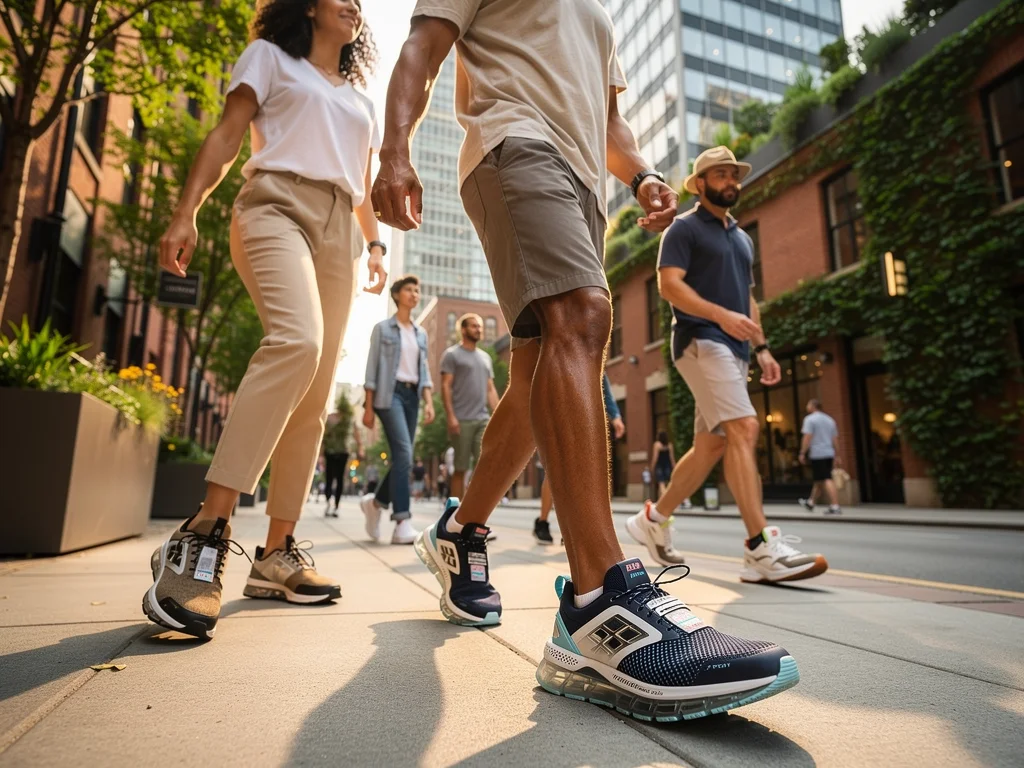
Footwear forecast 2026 for American walkability projects a strong emphasis on integrating sustainable materials, adaptive comfort technologies, and retro-futuristic aesthetics to deliver durable and stylish shoe trends that meet evolving consumer demands.
As we stride towards 2026, the landscape of American footwear is undergoing a significant transformation, driven by a collective desire for shoes that not only look good but also stand the test of time and support an active lifestyle. The footwear forecast 2026 reveals a clear emphasis on merging durability with undeniable style, all while prioritizing walkability for the everyday American. This shift reflects a growing consciousness among consumers who demand more from their footwear than just fleeting fashion.
The Rise of Sustainable and Durable Materials
The conversation around sustainability in fashion has intensified, and footwear is no exception. Consumers are increasingly scrutinizing the origins and environmental impact of their purchases, leading to a surge in demand for shoes made from eco-friendly and robust materials. This trend isn’t just about being green; it’s about investing in quality that lasts, reducing the need for constant replacement, and ultimately lessening waste.
Innovations in material science are at the forefront, offering exciting alternatives to traditional shoe components. From plant-based leathers to recycled synthetics, the options are expanding, providing both durability and a reduced carbon footprint. Brands are recognizing that true sustainability encompasses longevity, crafting footwear that can withstand the rigors of daily wear while maintaining its aesthetic appeal.
Plant-Based Leathers and Bio-Synthetics
One of the most promising developments is the advent of high-performance plant-based leathers derived from sources like mushrooms, pineapple leaves, and even cactus. These materials mimic the look and feel of traditional leather but offer a significantly lower environmental impact. They are also being engineered for enhanced durability, resisting scuffs and wear better than some conventional alternatives.
- Myco-Leather: Derived from mycelium, the root structure of mushrooms, offering a supple yet strong material.
- Piñatex: Made from pineapple leaf fibers, providing a natural, sustainable, and water-resistant option.
- Cactus Leather: Known for its softness, flexibility, and impressive durability, requiring less water in production.
Recycled and Upcycled Components
Beyond natural alternatives, the industry is making significant strides in utilizing recycled and upcycled materials. This includes everything from recycled plastic bottles transformed into shoe uppers to reclaimed rubber for soles. The focus is on creating closed-loop systems where waste is minimized and resources are maximized.
- Recycled Polyester: Often used for knit uppers, offering breathability and flexibility while repurposing plastic waste.
- Recycled Rubber: Provides excellent traction and durability for outsoles, repurposing tire and industrial waste.
- Upcycled Fabrics: Utilizing pre-consumer or post-consumer textile waste to create unique and strong shoe components.
The integration of these sustainable and durable materials is not merely a passing fad; it represents a fundamental shift in how footwear is conceived and produced. Consumers can expect shoes that are not only stylish and comfortable but also contribute positively to environmental stewardship, proving that fashion can indeed be both responsible and long-lasting.
Adaptive Comfort Technology for Enhanced Walkability
In an increasingly mobile world, walkability is no longer a luxury but a necessity. The 2026 footwear forecast places a strong emphasis on adaptive comfort technologies that cater to the unique needs of the American walker. This involves innovations that provide personalized support, superior cushioning, and improved energy return, making every step a more comfortable and efficient experience.
The goal is to create shoes that feel custom-made, adjusting to the wearer’s foot shape and gait over time. This includes advancements in midsole compounds, insole designs, and outsole geometries, all working in concert to reduce fatigue and enhance overall foot health. The days of sacrificing comfort for style are rapidly fading as technology allows for both.
Personalized Cushioning Systems
Future footwear will feature cushioning systems that adapt to the wearer’s weight, stride, and foot pressure points. This can involve smart foams that react to body heat, or air-filled chambers that dynamically adjust support. The result is a more responsive and protective experience, crucial for those who spend long hours on their feet.
Brands are investing heavily in research and development to create proprietary cushioning technologies that go beyond standard EVA or polyurethane. These next-generation materials offer improved shock absorption and energy return, propelling the wearer forward with less effort. This is particularly beneficial for urban dwellers navigating hard surfaces.
Ergonomic Arch Support and Stability
Beyond cushioning, adaptive comfort extends to ergonomic arch support and stability features. Many shoes will incorporate customizable or self-molding insoles that provide targeted support to the arch, preventing common foot ailments and improving posture. Stability features, such as reinforced heel counters and wider sole bases, will also become more prevalent to ensure a secure and balanced stride.
This focus on structural integrity is vital for preventing injuries and promoting long-term foot health. Whether it’s a casual sneaker or a more formal loafer, the underlying design will prioritize biomechanical efficiency. The integration of advanced scanning technologies will also allow for more precise sizing and fitting, further enhancing the personalized comfort experience.
Ultimately, adaptive comfort technology is set to redefine what it means for a shoe to be truly comfortable. By leveraging cutting-edge materials and intelligent design, footwear in 2026 will offer an unparalleled level of support and responsiveness, making walking a more enjoyable and less strenuous activity for everyone.
Retro-Futuristic Designs: Blending Past and Future
The third prominent trend in the footwear forecast 2026 is the captivating fusion of retro aesthetics with futuristic elements. This design philosophy creates shoes that feel both nostalgic and cutting-edge, appealing to a broad audience that appreciates both heritage and innovation. It’s about reimagining classic silhouettes with modern materials and construction techniques.
This trend moves beyond simple throwbacks, instead taking inspiration from past eras—particularly the 70s, 80s, and 90s—and injecting them with contemporary twists. Think bold color blocking, exaggerated proportions, and unexpected material combinations, all while maintaining a sleek, forward-looking edge. The result is footwear that makes a statement without compromising on functionality or comfort.
Bold Silhouettes and Exaggerated Proportions
Retro-futuristic designs often feature striking silhouettes that play with volume and shape. This can manifest in chunky soles, oversized logos, or unique lacing systems. The aim is to create visual interest and a sense of dynamic movement, even when the shoe is static. These designs are not just about aesthetics; the larger soles often provide enhanced cushioning and stability.
- Chunky Runners: Blending performance features with an exaggerated, often layered, sole unit for both style and comfort.
- High-Top Sneakers: Reimagined with modern materials and ergonomic ankle support, drawing from classic basketball styles.
- Platform Loafers: Elevating traditional formal wear with bold, stacked soles for a contemporary edge.
Innovative Material Combinations and Finishes
Key to the retro-futuristic look is the experimental combination of materials. This might involve pairing a matte, sustainable leather with a high-gloss recycled plastic accent, or a breathable mesh upper with metallic overlays. The contrast in textures and finishes adds depth and complexity to the design, making each pair a work of art.
Furthermore, innovative finishes like iridescent coatings, transparent panels, and digitally printed patterns contribute to the futuristic appeal. These details elevate familiar forms, giving them a fresh and unexpected twist. The interplay of old and new creates a unique visual language that resonates with stylish consumers.
The retro-futuristic trend in footwear for 2026 is a testament to the industry’s ability to draw inspiration from its rich history while constantly pushing the boundaries of design and technology. It offers consumers shoes that are both fashion-forward and deeply rooted in a sense of timeless style.
The Intersection of Style, Durability, and Function
The converging trends of sustainable materials, adaptive comfort technology, and retro-futuristic designs highlight a crucial shift in consumer priorities. No longer are people willing to compromise on one aspect for the sake of another. The footwear forecast 2026 clearly indicates a demand for shoes that seamlessly integrate style, durability, and function, especially for the American lifestyle centered around walkability.
This holistic approach means that a shoe must not only look appealing but also be built to last, using materials that withstand daily wear and tear. Crucially, it must also provide an exceptional level of comfort and support, ensuring that walking remains a pleasant and healthy activity. Brands that successfully marry these elements will be the ones that thrive in the evolving market.
Consumer Expectations and Brand Response
Modern consumers are well-informed and expect transparency from brands. They want to know that their shoes are made ethically, from sustainable sources, and are designed to endure. This pressure is driving manufacturers to innovate not just in design, but in their entire supply chain, from sourcing raw materials to manufacturing processes.
In response, leading footwear brands are investing heavily in research and development, not only to create new, exciting designs but also to perfect the underlying technology and material science. This commitment to innovation ensures that the shoes of 2026 will be more than just fashion accessories; they will be sophisticated pieces of engineering designed for real-world performance.
Impact on American Lifestyle and Fashion
The implications of these footwear trends extend beyond individual purchases, impacting the broader American lifestyle and fashion landscape. With shoes that are both durable and comfortable, Americans are empowered to lead more active lives, whether it’s commuting by foot, exploring urban environments, or simply enjoying longer walks. This emphasis on walkability supports a healthier, more engaged populace.
Furthermore, the integration of stylish designs ensures that this functionality doesn’t come at the cost of personal expression. The diverse range of retro-futuristic aesthetics, combined with innovative materials, means there’s a durable and comfortable shoe for every taste and occasion. This fosters a culture where practical footwear is also celebrated as a key fashion statement.
The shift towards sustainable and long-lasting footwear also aligns with a broader cultural movement towards conscious consumption. Americans are increasingly valuing quality over quantity, seeking products that offer longevity and a reduced environmental footprint. This reflects a maturation of consumer values, where purchasing decisions are guided by both personal style and ethical considerations.
Innovations Beyond the Three Core Trends
While sustainable materials, adaptive comfort, and retro-futuristic designs form the core of the footwear forecast 2026, several other innovations are also shaping the future of American walkability. These supplementary trends further enhance the user experience, pushing the boundaries of what is possible in shoe design and functionality. They signify a holistic approach to footwear development.
From smart technologies integrated into shoes to modular designs that allow for customization, the industry is constantly evolving. These advancements aim to address specific consumer needs and provide added value, making footwear an even more integral part of daily life. The future of shoes is not just about what’s on your feet, but what your feet can do.
Smart Footwear and Connectivity
The integration of smart technology into footwear is gaining traction. Shoes equipped with sensors can track steps, analyze gait, and even monitor foot health. While still in nascent stages, the potential for personalized feedback and injury prevention is immense. These smart features can connect to mobile devices, providing users with valuable data about their activity levels and walking patterns.
This connectivity can also extend to adaptive features, where shoes might dynamically adjust cushioning or support based on real-time data from embedded sensors. Imagine a shoe that stiffens or softens its sole based on the terrain you’re walking on, providing optimal performance and comfort automatically. This level of responsiveness is truly futuristic.
Modular and Customizable Designs
Another exciting innovation is the rise of modular footwear, where components like soles, uppers, or even insoles can be interchanged or customized. This allows consumers to personalize their shoes for different activities, weather conditions, or simply to refresh their style without buying an entirely new pair. It promotes versatility and extends the lifespan of the footwear.
- Interchangeable Soles: Swapping between different sole types for varying traction or cushioning needs.
- Customizable Uppers: Changing the upper material or design to match different outfits or occasions.
- 3D-Printed Components: Allowing for bespoke parts that perfectly fit the wearer’s foot, enhancing comfort and performance.
These innovations, alongside the main trends, underscore a future where footwear is not only durable, stylish, and comfortable but also intelligent and highly adaptable. The American consumer can look forward to a diverse array of options that truly cater to their dynamic lifestyles.
| Key Trend | Brief Description |
|---|---|
| Sustainable Materials | Emphasis on eco-friendly, durable alternatives like plant-based leathers and recycled synthetics. |
| Adaptive Comfort Technology | Innovations providing personalized cushioning, support, and energy return for superior walkability. |
| Retro-Futuristic Designs | Classic silhouettes reimagined with modern materials, bold proportions, and cutting-edge aesthetics. |
| Integrated Functionality | Shoes seamlessly combining style, longevity, and ergonomic design for active lifestyles. |
Frequently Asked Questions About 2026 Footwear Trends
Durable footwear in 2026 is characterized by the use of high-quality, often sustainable, materials like plant-based leathers and recycled synthetics. It also involves advanced construction techniques that ensure longevity, resistance to wear and tear, and structural integrity, reducing the need for frequent replacements.
Adaptive comfort technology will enhance walkability through personalized cushioning systems that adjust to individual foot pressure and gait. It includes ergonomic arch support, dynamic stability features, and responsive midsoles that reduce fatigue and provide superior shock absorption, making long walks more comfortable.
Retro-futuristic designs blend classic aesthetic elements, often from the 70s, 80s, and 90s, with modern materials and construction. This results in bold silhouettes, exaggerated proportions, innovative material combinations, and sleek finishes that offer a nostalgic yet cutting-edge look, appealing to diverse style preferences.
Yes, advancements in material science mean sustainable shoes are increasingly matching, and sometimes surpassing, the durability of traditional footwear. Plant-based leathers and recycled materials are being engineered for enhanced resilience, water resistance, and longevity, proving that eco-friendly options can also be robust and long-lasting.
These trends cater to the American lifestyle by providing versatile footwear that supports active, on-the-go routines. The focus on durability and walkability ensures comfort for daily commutes and urban exploration, while stylish designs allow for personal expression. This combination meets the demand for practical, yet fashionable, everyday wear.
Conclusion
The footwear forecast 2026 paints a clear picture of a future where American consumers can expect shoes that are not only aesthetically pleasing but also exceptionally durable and supremely comfortable for everyday walkability. The convergence of sustainable materials, adaptive comfort technologies, and retro-futuristic designs signifies a mature market that values longevity, environmental responsibility, and personalized well-being. This comprehensive approach to footwear innovation ensures that every step taken in 2026 will be both stylish and supported, reflecting a deeper understanding of consumer needs and a commitment to a more sustainable and active future.