Minimalist Decor in 2026: Clutter-Free Home Strategies
Advertisements
Achieving a harmonious, clutter-free home in 2026 is realized through minimalist decor principles that prioritize intentionality, functionality, and aesthetic simplicity, transforming your living space into a serene sanctuary.
As we navigate the complexities of modern life, the desire for simplicity and calm within our homes grows stronger. Minimalist decor 2026 offers a powerful antidote to chaos, inviting us to create spaces that are not only aesthetically pleasing but also deeply functional and emotionally restorative. This approach isn’t about stark emptiness, but rather a thoughtful curation of belongings and design choices that promote peace and clarity.
Understanding the Evolution of Minimalist Decor
Minimalist decor has evolved significantly over the years, moving beyond its initial perception of austerity to embrace warmth, texture, and personal expression. In 2026, minimalism is less about rigid rules and more about conscious living. It encourages us to question the purpose of every item in our home and to invest in quality over quantity. This shift reflects a broader societal move towards sustainability and intentional consumption.
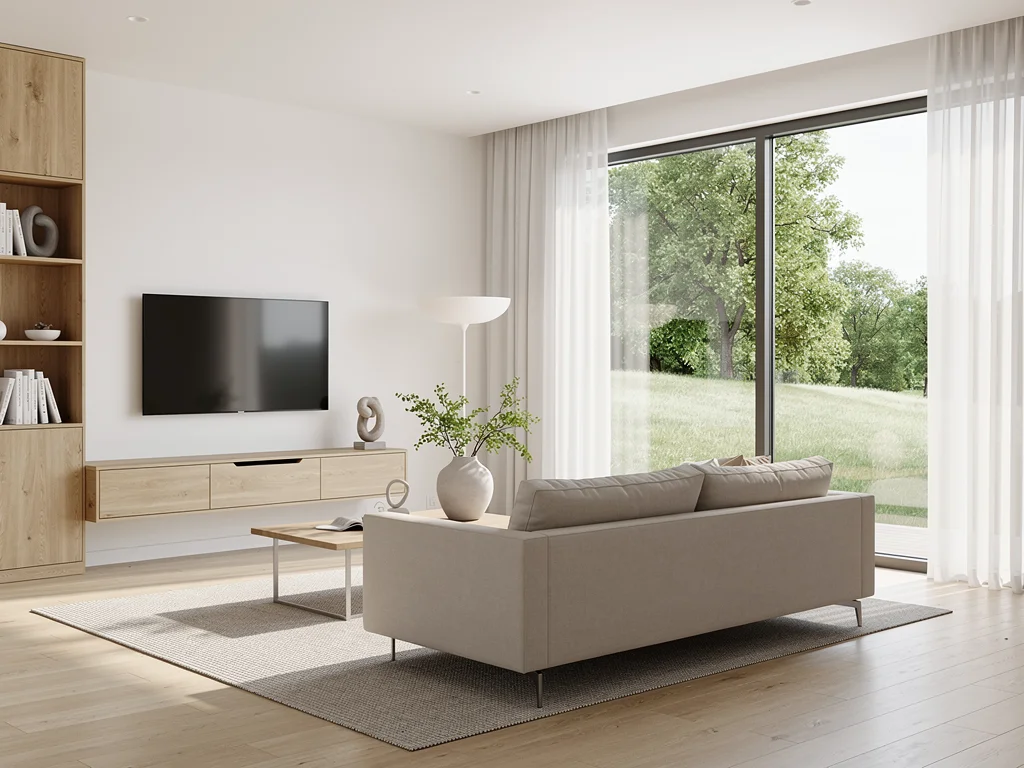
The core tenets remain: clean lines, uncluttered surfaces, and a muted color palette. However, contemporary minimalism also integrates natural materials, strategic pops of color, and unique artisanal pieces that tell a story. It’s about finding balance, where each element contributes to a cohesive and tranquil environment without overwhelming the senses. This nuanced approach allows for individual personality to shine through, creating spaces that feel both refined and inviting.
The philosophical roots of minimalism in design
The philosophy behind minimalism emphasizes functionality and simplicity, drawing inspiration from various cultural and artistic movements. It’s a rejection of excess, focusing instead on essential forms and clear purposes. This design philosophy seeks to reduce visual noise, allowing the mind to relax and find peace within the home.
- Functionality first: Every item serves a purpose, eliminating redundant objects.
- Clean aesthetics: Uninterrupted lines and open spaces create a sense of calm.
- Quality over quantity: Investing in durable, well-crafted pieces reduces waste and promotes longevity.
- Mindful living: A decluttered space often leads to a decluttered mind, fostering greater well-being.
Ultimately, understanding the evolution of minimalist decor means appreciating its flexibility and adaptability. It’s not a one-size-fits-all solution, but a framework that can be tailored to suit diverse lifestyles and aesthetic preferences, all while maintaining its core principles of simplicity and intentionality. This makes it an enduring and relevant approach for modern homes.
The evolution of minimalist decor in 2026 highlights a desire for authenticity and personal connection within our living spaces. It’s about creating an environment that supports our daily lives, reduces stress, and reflects our values, proving that less can indeed be more when thoughtfully applied.
Strategy 1: Ruthless Decluttering and Organization
The foundation of any successful minimalist decor scheme is a thorough and honest assessment of your belongings. Ruthless decluttering isn’t about throwing everything away; it’s about making conscious choices about what genuinely adds value to your life and home. This process can be challenging, but the rewards—a clearer space and a lighter mind—are immeasurable. Start with one room, or even one drawer, to avoid feeling overwhelmed.
Once you’ve decided what to keep, the next step is organization. Minimalist homes thrive on order, and clever storage solutions are key to maintaining an uncluttered aesthetic. Think hidden storage, multi-functional furniture, and designated places for everything. The goal is to make daily tidying effortless, ensuring that your space remains a sanctuary rather than a source of stress.
Implementing the ‘one in, one out’ rule
To prevent clutter from creeping back into your newly minimalist space, adopt the ‘one in, one out’ rule. This simple principle means that for every new item you bring into your home, an existing item must leave. This helps maintain balance and encourages thoughtful purchasing decisions, reinforcing your commitment to a clutter-free lifestyle.
- Evaluate necessity: Before buying, ask if you truly need the item.
- Consider its purpose: Does it serve a function or bring genuine joy?
- Choose quality: Opt for well-made items that will last, reducing the need for frequent replacements.
- Donate or discard: Find a new home for the item being replaced, or dispose of it responsibly.
Effective organization also involves creating systems that work for you. Labeling storage bins, using drawer dividers, and optimizing vertical space can transform chaotic areas into orderly zones. The aim is to make it easy to find what you need and put things away, minimizing visual clutter and maximizing efficiency. This systematic approach ensures that your efforts in decluttering yield lasting results.
Ruthless decluttering and meticulous organization are not just about aesthetics; they are about reclaiming control over your environment and, by extension, your peace of mind. By consistently applying these principles, you create a home that supports a more intentional and serene way of living, free from the burden of unnecessary possessions.
Strategy 2: Intentional Design and Functional Aesthetics
In 2026, minimalist decor emphasizes intentional design, where every piece is chosen for its beauty, utility, and ability to contribute to the overall harmony of the space. This strategy moves beyond simply removing items; it’s about carefully selecting what remains and ensuring it serves a purpose. Functional aesthetics means that form and function are equally important, creating environments that are both visually appealing and highly practical.
Consider the flow of your rooms, the placement of furniture, and how light interacts with your chosen elements. An intentional design approach means thinking about how you use each space and designing it to enhance those activities. This might involve multi-functional furniture, built-in storage, or adaptable layouts that can shift with your needs. The goal is to create a home that works seamlessly with your lifestyle.
Embracing a muted color palette and natural materials
A hallmark of minimalist design is the use of a muted color palette, typically featuring whites, grays, and earth tones. These colors create a serene backdrop, allowing textures and natural light to become focal points. Incorporating natural materials like wood, stone, linen, and wool adds warmth and organic beauty, preventing the space from feeling cold or sterile.
- Neutral base: Use light, calming colors on walls and large furniture items.
- Textural layering: Introduce interest through varying textures in fabrics, rugs, and decor.
- Natural accents: Incorporate plants, wooden elements, and ceramic pieces for organic appeal.
- Strategic pops of color: Use small, deliberate touches of color to add personality without overwhelming.
Functional aesthetics also extends to lighting. Natural light is prioritized, with window treatments kept minimal to maximize its entry. Artificial lighting is chosen for both its design and its ability to create different moods and highlight specific areas. Layered lighting—ambient, task, and accent—ensures versatility and comfort. Every design decision is made with purpose, contributing to a cohesive and tranquil atmosphere.
By focusing on intentional design and functional aesthetics, minimalist decor in 2026 creates spaces that are not just beautiful to look at, but also a joy to live in. It’s about designing a home that supports your well-being, simplifies your daily routines, and provides a calm retreat from the outside world, making every element count.
Strategy 3: Integrating Sustainable and Mindful Practices
The future of decor, particularly minimalist decor, is inextricably linked with sustainability and mindful consumption. In 2026, an essential strategy for achieving a clutter-free home involves making eco-conscious choices throughout the design process. This means opting for durable, ethically sourced, and environmentally friendly materials and products. It’s about reducing your ecological footprint while enhancing your living space.
Mindful practices extend beyond material selection to how we interact with our homes. It involves appreciating the items we own, maintaining them well, and resisting the urge for constant upgrades. This approach fosters a deeper connection to our environment and encourages a slower, more deliberate pace of life. A sustainable minimalist home is one built to last, both in style and substance.
Choosing eco-friendly materials and ethical brands
When selecting furniture and decor, prioritize items made from renewable resources, recycled content, or those produced with minimal environmental impact. Research brands that are transparent about their supply chains and commit to fair labor practices. This conscious consumerism aligns perfectly with minimalist values, where every purchase is an investment in a better future.
- Sustainable wood: Look for FSC-certified timber or reclaimed wood.
- Natural fibers: Choose organic cotton, linen, hemp, or wool for textiles.
- Recycled materials: Opt for products made from recycled glass, metal, or plastic.
- Local artisans: Support local craftspeople to reduce transportation emissions and promote unique, handmade items.
Beyond purchasing, mindful practices include reducing waste in our daily lives. This can involve composting, recycling, and minimizing single-use plastics. Integrating plants into your minimalist decor not only adds natural beauty but also improves air quality and promotes a sense of well-being. These small, consistent actions contribute to a more sustainable and mindful home environment.
Integrating sustainable and mindful practices into minimalist decor in 2026 is about creating a home that reflects a deeper respect for the planet and its resources. It’s a holistic approach that enriches your living space while contributing positively to the wider world, proving that beauty and responsibility can coexist harmoniously.
Curating Personal Touches in a Minimalist Space
While minimalism often conjures images of stark, impersonal spaces, the reality in 2026 is quite different. A truly effective minimalist home is one that feels personal, warm, and inviting. The key lies in strategic curation: selecting a few meaningful items that reflect your personality, passions, and memories, rather than cluttering surfaces with numerous trinkets. These personal touches become focal points, adding character and warmth without compromising the uncluttered aesthetic.
Consider displaying a cherished piece of art, a collection of family photographs in simple frames, or a unique souvenir from a memorable trip. The beauty of minimalism is that these carefully chosen items stand out, allowing their stories and significance to be fully appreciated. Each piece contributes to the narrative of your home, making it distinctly yours.
Selecting art and decorative objects with purpose
When choosing art and decorative objects, think about their impact on the space. Do they evoke a feeling? Do they complement the existing color scheme and materials? Minimalism encourages a “less but better” approach, so opt for pieces that truly resonate with you and contribute to the overall calm and beauty of your home. This might mean investing in one significant artwork rather than many small, disparate pieces.
- Meaningful art: Choose pieces that inspire or hold personal significance.
- Sculptural elements: A unique vase or a handcrafted bowl can add visual interest.
- Books as decor: Arrange a small collection of favored books neatly on a shelf or coffee table.
- Greenery: Plants bring life and a touch of nature into the minimalist aesthetic.
The placement of these personal touches is also crucial. Instead of scattering them throughout the room, group them thoughtfully or give them their own designated space. A single, well-placed plant can have a more profound impact than a dozen small ones. This intentional display ensures that each item is given the attention it deserves, enhancing the overall aesthetic without adding visual noise.
Curating personal touches within a minimalist space in 2026 is about striking a delicate balance. It’s about infusing your home with warmth and individuality while maintaining the core principles of simplicity and order. Your home should feel like a reflection of you, a place where memories and meaning are celebrated without overwhelming the senses.
Maintaining a Clutter-Free Home Long-Term
Achieving a clutter-free home is an accomplishment, but maintaining it requires ongoing effort and dedication. It’s not a one-time project but a continuous practice of mindful living. The key to long-term success in minimalist decor is establishing routines and habits that prevent clutter from accumulating and ensure your space remains a serene sanctuary. This involves regular check-ins with your belongings and a commitment to intentional choices.
Think of maintenance as an extension of the decluttering process. Just as you initially removed excess, you’ll need to develop strategies to prevent new excess from entering and to manage the items you already have. This proactive approach ensures that your home continues to support your minimalist lifestyle, rather than becoming a source of renewed stress.
Establishing daily and weekly decluttering routines
Small, consistent actions are far more effective than infrequent, overwhelming purges. Dedicate a few minutes each day to tidying up, putting items back in their designated places. Weekly, set aside a slightly longer period to address any areas that might be starting to accumulate clutter. This routine keeps things manageable and prevents minor messes from becoming major problems.
- Daily reset: Spend 10-15 minutes tidying before bed or starting your day.
- Weekly review: Check drawers, shelves, and surfaces for accumulating items.
- Seasonal declutter: Conduct a more thorough decluttering session a few times a year.
- Digital declutter: Don’t forget digital spaces – organize files, emails, and photos.
Beyond routines, cultivating a mindset of gratitude for what you have can reduce the desire for more. Before making a purchase, pause and consider its true value and necessity. Ask yourself if it truly enhances your life or if it will simply add to the clutter. This mindful approach to consumption is vital for maintaining a minimalist home in the long run.
Maintaining a clutter-free home long-term is about embedding minimalist principles into your daily life. It’s a commitment to intentionality, organization, and mindful consumption that transforms your living space into a consistently calm and functional environment. By adopting these habits, your home will remain a true reflection of peace and simplicity.
Future Trends and Adaptations in Minimalist Decor
As we look towards the future, minimalist decor in 2026 continues to evolve, embracing new technologies and a deeper understanding of human well-being. The core principles of simplicity and functionality will remain, but their expression will adapt to emerging societal needs and environmental considerations. We can expect to see an even greater emphasis on smart home integration, biophilic design, and adaptable spaces that cater to flexible living arrangements.
The trend towards personalization within minimalism will also intensify. Rather than a uniform aesthetic, future minimalist homes will be highly tailored to individual tastes and practical requirements. This means more custom-built solutions, modular furniture, and designs that can be easily reconfigured to suit changing lifestyles. The future of minimalist decor is about creating highly responsive and intuitive living environments.
Smart home integration and biophilic design
Technology will seamlessly integrate into minimalist spaces, becoming invisible yet highly functional. Smart home devices will enhance comfort and efficiency without adding visual clutter. Simultaneously, biophilic design—incorporating natural elements and patterns into the built environment—will become even more prevalent, fostering a stronger connection to nature and improving indoor air quality.
- Hidden tech: Smart devices integrated into furniture or walls, controlled via voice or apps.
- Indoor gardens: Vertical gardens, living walls, and strategically placed plants for natural beauty and air purification.
- Natural light optimization: Advanced window systems that adjust to maximize daylight and minimize glare.
- Material innovation: Use of advanced sustainable materials that are both eco-friendly and aesthetically pleasing.
Adaptable spaces will also be a key feature, reflecting the growing need for flexibility in urban living. Furniture that transforms, walls that move, and multi-functional rooms will allow homes to serve various purposes throughout the day. This intelligent use of space ensures that even smaller living areas can feel expansive and versatile, perfectly aligning with minimalist ideals.
Future trends in minimalist decor for 2026 point towards homes that are not only clutter-free but also intelligent, sustainable, and deeply connected to nature and personal well-being. These adaptations ensure that minimalism remains a relevant and powerful design philosophy for modern living, continually evolving to meet the demands of a changing world.
| Key Strategy | Brief Description |
|---|---|
| Ruthless Decluttering | Systematically remove unnecessary items, embracing the ‘one in, one out’ rule. |
| Intentional Design | Select items for purpose and beauty, prioritizing functional aesthetics and muted palettes. |
| Sustainable Practices | Choose eco-friendly materials and ethical brands, reducing environmental impact. |
| Personal Curation | Infuse warmth and individuality through meaningful, carefully placed personal items. |
Frequently asked questions about minimalist decor
The primary goal is to create a serene, functional, and clutter-free living space that promotes well-being and reduces stress. It focuses on intentionality, quality over quantity, and personal expression through carefully curated items, moving beyond mere austerity to embrace warmth and authentic living.
Ruthless decluttering involves a deep, honest assessment of every item’s value and purpose in your home, leading to permanent removal of unnecessary possessions. Tidying up is a superficial organization of existing items. Decluttering aims for lasting reduction, while tidying focuses on temporary order.
Sustainable practice is crucial for 2026 minimalist decor because it aligns with values of conscious consumption and environmental responsibility. It involves choosing eco-friendly materials and ethical brands, reducing ecological footprint, and ensuring items are durable and responsibly sourced, contributing to a healthier planet.
Absolutely. Modern minimalist decor in 2026 emphasizes personal touches through carefully curated items that hold meaning. By selecting a few cherished art pieces, photographs, or unique objects, you can infuse warmth and individuality without introducing clutter, making the space uniquely yours and inviting.
The ‘one in, one out’ rule means that for every new item brought into the home, an existing item must be removed. This simple principle prevents clutter accumulation, encourages thoughtful purchasing decisions, and helps maintain a balanced, intentional, and clutter-free living environment over time.
Conclusion
Embracing minimalist decor 2026 is more than just a design choice; it’s a commitment to a lifestyle of intentionality, calm, and sustainability. By implementing the three essential strategies of ruthless decluttering, intentional design, and sustainable practices, you can transform your home into a serene and functional sanctuary. This approach not only enhances the aesthetic appeal of your living space but also contributes to your overall well-being, fostering a deeper connection with your surroundings and promoting a more mindful way of living. As we move forward, the principles of minimalism offer a powerful path to creating homes that truly nurture and inspire.