Maximize Your Small Space: Clever Decor Solutions for Urban Dwellers 2026
Advertisements
Urban dwellers facing limited square footage can transform their environments with strategic design and innovative products, making every inch count for comfort and style in 2026.
Are you an urban dweller grappling with limited space? Learning to maximize your small space: 5 clever decor solutions for urban dwellers in 2026 is not just about fitting more things in; it’s about enhancing your quality of life. This guide will help you discover innovative ways to make your compact living area feel expansive, functional, and undeniably stylish.
Embracing Multifunctional Furniture for Dynamic Living
In the realm of small urban apartments, furniture that serves more than one purpose is not just a luxury; it’s a necessity. The evolution of design has brought forth ingenious pieces that effortlessly adapt to various needs throughout the day, ensuring every square foot is utilized to its fullest potential. This approach allows for a fluid transition between activities, from working to dining to relaxing, all within the same footprint.
Gone are the days when a sofa was just a sofa. Today’s market is brimming with innovative designs that integrate multiple functions, perfect for the modern urban lifestyle. These pieces often feature sleek lines and clever mechanisms, blending seamlessly into contemporary decor while offering unparalleled utility.
Sofa-Beds and Modular Seating
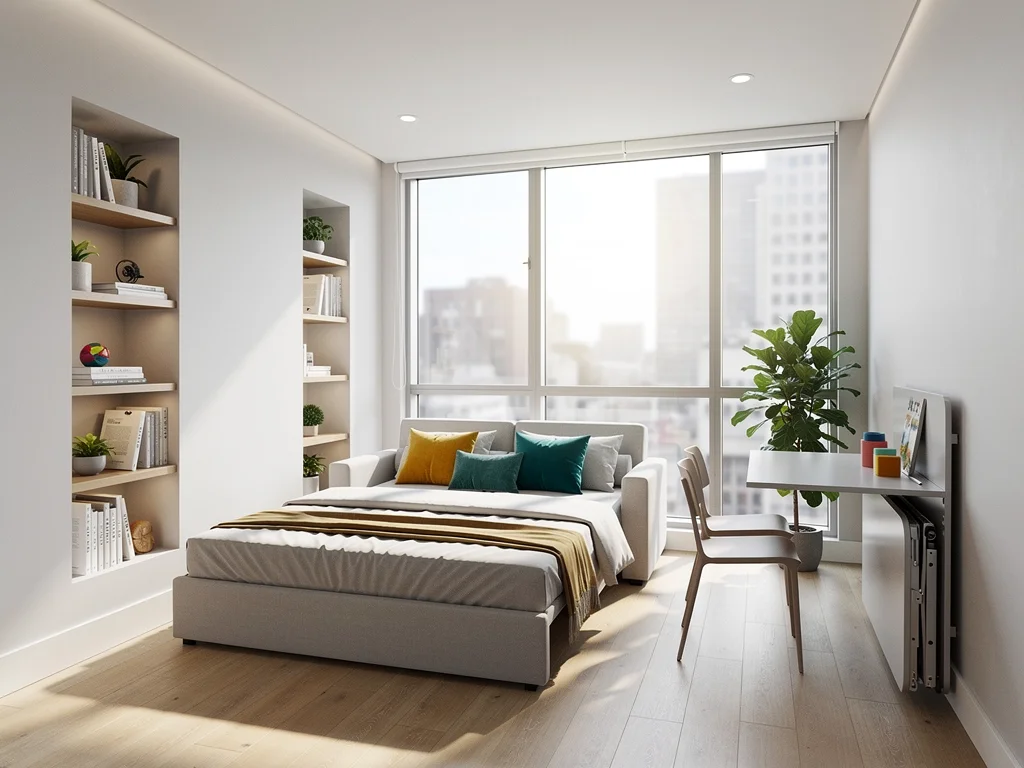
Sofa-beds have moved beyond their often-uncomfortable predecessors. Modern designs prioritize both aesthetics and comfort, making them ideal for guest accommodation or even as a primary bed in studio apartments. Modular seating, on the other hand, allows for flexible arrangements, easily adapting to social gatherings or cozy nights in.
- Transformable Sofas: Look for models that convert into comfortable beds without compromising on style or ergonomics.
- Sectional Units: Opt for modular sections that can be rearranged to suit different occasions or room layouts.
- Integrated Storage: Many sofa-beds or modular units now include hidden compartments for blankets, pillows, or other essentials.
The beauty of multifunctional furniture lies in its ability to declutter and simplify. By reducing the number of individual pieces needed, you open up valuable floor space, making your home feel more open and less cramped. This strategic choice is fundamental to creating a truly adaptable living environment.
Expandable Tables and Desks
Dining tables and desks often occupy significant floor space. However, innovative designs allow these essential items to expand when needed and retract to a compact size when not in use. This flexibility is crucial for urban dwellers who might host occasional dinners but prefer an open layout for daily living.
- Folding Dining Tables: Tables that fold flat against a wall or collapse into a slim console are perfect for small kitchens or living areas.
- Nesting Tables: A set of tables that fit inside one another provides versatile surfaces that can be spread out or consolidated as required.
- Wall-Mounted Desks: Desks that fold down from the wall offer a dedicated workspace without permanently occupying floor space.
Investing in multifunctional furniture is a cornerstone of smart small-space design. It allows residents to maintain a high level of functionality and comfort without sacrificing precious square footage. By carefully selecting pieces that serve dual or triple purposes, urban dwellers can create dynamic and efficient living environments.
Vertical Storage Solutions: Reaching for the Sky
When horizontal space is limited, the only way to go is up. Vertical storage solutions are a game-changer for urban dwellings, transforming unused wall space into prime real estate for organization and display. This approach not only frees up floor space but also draws the eye upward, creating an illusion of higher ceilings and a more expansive room.
From floor-to-ceiling bookshelves to wall-mounted cabinets, leveraging verticality is about maximizing every available inch. It’s a strategic design decision that combines practicality with aesthetic appeal, allowing residents to organize their belongings efficiently while adding character to their homes.
Tall Bookshelves and Wall Units
Bookshelves that extend from floor to ceiling are incredibly efficient for storing books, decor, and even clothing. Wall-mounted units can provide enclosed storage, keeping clutter out of sight, or open shelving for displaying cherished items. These solutions can also act as architectural features, defining spaces within an open-plan layout.
- Custom Built-ins: Consider custom shelving or cabinetry to perfectly fit awkward nooks and maximize storage capacity.
- Modular Wall Systems: These systems allow for flexible configurations, with shelves, cabinets, and even desks that can be rearranged as needs change.
- Floating Shelves: Simple yet effective, floating shelves provide accessible storage without the bulk of traditional units, maintaining an airy feel.
The key to successful vertical storage is thoughtful planning. Consider what items you need to store and how often you access them. Items used frequently should be within easy reach, while seasonal or less-used items can be stored higher up. This strategic placement ensures both functionality and visual harmony.
Over-the-Door and Under-Bed Storage
Often overlooked, the space above doors or beneath beds can be incredibly valuable. Over-the-door organizers are perfect for shoes, toiletries, or cleaning supplies, while under-bed storage containers can discreetly house extra linens, seasonal clothing, or even gym equipment. These solutions are particularly effective because they utilize space that would otherwise remain idle.
- Over-the-Door Racks: Ideal for bathrooms, bedrooms, or utility closets, these racks add instant storage without installation.
- Bed Frames with Drawers: Invest in a bed frame that incorporates built-in drawers, eliminating the need for bulky dressers.
- Storage Ottomans: These dual-purpose pieces offer extra seating or a footrest while providing hidden storage for blankets or magazines.
By thinking vertically and creatively about hidden spaces, urban dwellers can significantly increase their storage capacity without feeling overwhelmed. This intelligent use of space contributes to a clutter-free environment, which is essential for mental well-being in compact living situations.
Illusion of Space: Smart Lighting and Mirrors
Creating an illusion of greater space is a powerful decor strategy for small urban apartments. While you can’t physically expand your walls, you can manipulate perception through clever use of lighting and mirrors. These elements play a crucial role in making a compact room feel larger, brighter, and more inviting, transforming its entire atmosphere.
Strategic placement and selection of lighting fixtures can eliminate dark corners that make a room feel smaller, while mirrors can reflect light and views, effectively doubling the apparent size of a space. Together, they form a dynamic duo in the quest for an open and airy home.
Strategic Mirror Placement
Mirrors are perhaps the oldest trick in the book for making a room feel bigger, and for good reason. When placed strategically, they can reflect natural light, expand views, and even create the illusion of an extra window. The size and frame of the mirror can also contribute to the overall aesthetic, adding a touch of elegance or modernity.
- Opposite a Window: Placing a large mirror directly opposite a window will bounce natural light deeper into the room, making it appear brighter and more open.
- Behind Furniture: A tall, narrow mirror placed behind a console table or sofa can add depth without consuming much wall space.
- Gallery Wall with Mirrors: Incorporate mirrors of various shapes and sizes into a gallery wall to add visual interest and reflect light playfully.
Beyond their practical benefits, mirrors can also serve as decorative elements, enhancing the style of your home. A well-chosen mirror can become a focal point, drawing attention and adding character to an otherwise minimalist space. They are an indispensable tool for any small-space decorator.
Layered Lighting Techniques
Effective lighting is about more than just illuminating a room; it’s about creating depth and mood. Layered lighting combines ambient, task, and accent lighting to eliminate shadows and highlight key areas, preventing a room from feeling flat or confined. This thoughtful approach can dramatically alter the perceived size and comfort of a small space.
- Ambient Lighting: Use flush-mount fixtures or recessed lighting to provide overall illumination without taking up valuable visual space.
- Task Lighting: Incorporate adjustable desk lamps or floor lamps with directed light for reading or working, preventing eye strain and defining functional zones.
- Accent Lighting: Use picture lights, tape lighting under shelves, or small spotlights to draw attention to artwork or architectural features, adding depth and visual interest.
By carefully considering the interplay of light and reflection, urban dwellers can create spaces that feel significantly larger and more inviting than their actual dimensions suggest. These simple yet powerful decor solutions are essential for maximizing both the functionality and aesthetic appeal of any compact home.
Color Palettes and Textures: The Power of Perception
The colors and textures you choose for your small urban dwelling have a profound impact on how the space is perceived. Light colors tend to recede, making walls appear further away and rooms feel more expansive, while dark colors can make a space feel cozier but also smaller. Thoughtful selection of materials and finishes can also add depth and interest without clutter.
This strategic use of color and texture is not about sacrificing personality, but rather about creating a cohesive and harmonious environment that feels both open and uniquely yours. It’s a subtle yet powerful way to manipulate the visual boundaries of your home.
Light and Neutral Color Schemes
Opting for light and neutral colors on walls, ceilings, and even large furniture pieces is a time-tested strategy for opening up small spaces. Whites, creams, light grays, and pastels reflect light, making a room feel brighter and airier. This doesn’t mean your home has to be boring; subtle variations in shade and tone can add sophistication.
- Monochromatic Schemes: Using different shades of a single light color can create a sense of cohesion and flow, making walls blend seamlessly.
- Cool Tones: Light blues, greens, and grays can evoke a sense of calm and spaciousness, reminiscent of open skies or tranquil waters.
- Pops of Color: Introduce bolder colors through accessories like throw pillows, artwork, or small decorative items to add personality without overwhelming the space.
The goal is to create a backdrop that feels expansive, allowing your personality to shine through carefully chosen accents. A light color palette provides a versatile foundation that can be easily updated with new accessories, keeping your decor fresh and dynamic without major renovations.
Incorporating Textural Elements
While a light color palette expands a room visually, integrating various textures adds depth and tactile interest, preventing the space from feeling sterile. Textures can range from soft fabrics to rough woods, sleek metals, and smooth ceramics, each contributing to the overall sensory experience of the room.
- Natural Materials: Wood, linen, cotton, and wool add warmth and an organic feel, creating a cozy yet open atmosphere.
- Reflective Surfaces: Glass, polished metals, and glossy finishes can reflect light, enhancing the brightness and perceived size of the room.
- Layering Textures: Combine different textures, such as a plush rug with a smooth coffee table and a velvet throw, to create visual richness without adding bulk.
By balancing a light color scheme with thoughtful textural elements, urban dwellers can create a small space that feels both spacious and inviting. This approach demonstrates that maximizing space doesn’t mean sacrificing character or comfort; it means designing with intention and an understanding of visual perception.
Decluttering and Organization: The Foundation of Small Space Living
Perhaps the most fundamental aspect of maximizing a small space is mastering the art of decluttering and maintaining meticulous organization. A cluttered environment, regardless of size, will always feel cramped and chaotic. For urban dwellers, this means being intentional about every item brought into the home and having a designated place for everything.
This isn’t merely about tidiness; it’s about creating a sense of calm and order that contributes significantly to mental well-being. A well-organized small space feels more efficient, more comfortable, and ultimately, more livable.
The “One In, One Out” Rule
To prevent clutter from accumulating, adopt the simple yet effective “one in, one out” rule. Whenever you purchase a new item, commit to removing an old one. This applies to clothing, books, kitchen gadgets, and decor. This discipline ensures that your possessions remain at a manageable level, preventing your small space from becoming overwhelmed.
- Regular Purges: Schedule periodic decluttering sessions to evaluate your belongings and let go of items you no longer need or use.
- Emotional Attachment: Be honest with yourself about items you’re holding onto out of sentimentality versus actual utility or joy.
- Donation and Recycling: Find appropriate channels for items you’re letting go of, ensuring they find a new purpose or are disposed of responsibly.
Implementing this rule requires a shift in mindset, moving towards conscious consumption rather than impulsive buying. It encourages a more minimalist approach, which naturally aligns with the principles of small-space living.
Smart Storage Solutions and Habits
Beyond decluttering, effective organization relies on smart storage solutions and consistent habits. Utilize every available nook and cranny with purpose-built organizers that fit your space and your belongings. The goal is to make storage intuitive and easy to maintain, so items are always put back in their place.
- Drawer Dividers: Keep drawers tidy and functional by using dividers for clothing, utensils, or office supplies.
- Under-Shelf Baskets: Maximize vertical space within cabinets by adding baskets that hang beneath shelves.
- Labeling Systems: Clearly label storage bins and boxes, especially for items stored out of sight, to ensure easy retrieval.
Developing good organizational habits is as important as having the right tools. Dedicate a few minutes each day to tidying up, and establish routines for putting things away immediately after use. This proactive approach prevents clutter from building up, making your small space consistently feel clean, organized, and spacious.
Creating Zones with Intentional Layouts
Even in a single-room studio or a small open-plan apartment, it’s possible to create distinct functional zones that enhance usability and psychological comfort. Defining areas for sleeping, living, dining, and working, even without physical walls, helps to organize daily activities and prevent the space from feeling like a chaotic jumble. This intentional layout is crucial for maximizing functionality in a compact urban dwelling.
The key is to use visual cues and smart furniture placement to delineate these zones, allowing each area to serve its purpose without encroaching on others. This thoughtful design approach ensures that every activity has its designated spot, making the small space feel more structured and efficient.
Area Rugs and Furniture Arrangement
Area rugs are excellent tools for defining zones within an open layout. A rug under a sofa and coffee table can clearly mark the living area, while another under a dining table can separate the eating space. Furniture itself can also act as a subtle barrier without blocking light or flow.
- Rugs as Anchors: Choose rugs that are appropriately sized for the zone they are defining, ensuring all furniture legs within that zone rest on the rug.
- Back of Sofa: Place the back of a sofa facing a dining area or entryway to create a natural division and a sense of enclosure for the living space.
- Console Tables: A slim console table behind a sofa can serve as a visual divider while also offering extra surface space.
The strategic placement of furniture and rugs helps to create a psychological boundary, making each zone feel like a distinct room. This technique allows for a more organized and purposeful use of the entire space, without the need for permanent structural changes.
Room Dividers and Screens
For more explicit separation, particularly between sleeping and living areas in a studio apartment, room dividers and screens offer flexible solutions. These can range from translucent panels that allow light to pass through to open shelving units that provide both division and storage.
- Sheer Curtains: Hang sheer curtains from the ceiling to create a soft, ethereal division that doesn’t completely block light or views.
- Folding Screens: Portable folding screens offer privacy when needed and can be easily tucked away when an open layout is preferred.
- Open Bookshelves: A tall, open bookshelf can divide a room while still allowing light and air to circulate, and providing valuable storage or display space.
By thoughtfully creating zones, urban dwellers can transform a single, undifferentiated space into a home with distinct functional areas. This not only improves the apartment’s utility but also enhances the overall living experience, making it feel more spacious and organized.
| Key Strategy | Brief Description |
|---|---|
| Multifunctional Furniture | Invest in pieces that serve multiple purposes, like sofa-beds or expandable tables, to save space. |
| Vertical Storage | Utilize wall space with tall shelves, mounted units, and over-the-door organizers to declutter floors. |
| Smart Lighting & Mirrors | Use strategic mirror placement and layered lighting to create an illusion of greater space and brightness. |
| Decluttering & Organization | Maintain a clutter-free environment with regular purges and smart storage solutions for a serene home. |
Frequently asked questions about small space decor solutions
Light and neutral colors, such as whites, creams, and pale grays, are most effective. These hues reflect light, making walls appear to recede and creating an illusion of greater space. Incorporating subtle variations in these tones can add depth without making the room feel smaller.
Multifunctional furniture maximizes space by serving several purposes. A sofa that converts into a bed, or a coffee table with hidden storage, reduces the need for multiple pieces. This frees up valuable floor space, making your compact home more versatile and functional for various activities throughout the day.
Yes, mirrors are incredibly important! When strategically placed, they reflect natural and artificial light, making a room brighter. They can also create the illusion of depth and expand views, essentially doubling the perceived size of a room. This makes them a powerful tool in small space design.
Practical vertical storage ideas include floor-to-ceiling bookshelves, wall-mounted shelving units, and over-the-door organizers. Utilizing the space above furniture or installing floating shelves can also significantly increase storage capacity without encroaching on floor space, keeping your home tidy and functional.
You can define zones using area rugs to anchor specific areas like living or dining. Furniture placement, such as positioning the back of a sofa to face another zone, also works. Additionally, using open bookshelves, sheer curtains, or folding screens can create soft divisions without permanent structures, enhancing functionality.
Conclusion
Successfully maximizing a small urban space is a blend of strategic planning, innovative product choices, and consistent habits. By embracing multifunctional furniture, leveraging vertical storage, playing with light and mirrors, choosing smart color palettes, and maintaining rigorous organization, urban dwellers can transform their compact homes into havens of comfort and style. These solutions are not just about making a space look bigger; they are about enhancing daily living, fostering a sense of calm, and ensuring every square inch serves a purpose. The key lies in thoughtful intention and creative execution, proving that even the smallest apartment can feel expansive and perfectly tailored to your needs in 2026.